Best Electric Bike in Pakistan (2026): Price Guide & Buying Tips
Petrol prices in Pakistan keep climbing, and every trip to the pump stings a little more. For a daily commuter, the maths of a petrol bike is getting harder to defend: fuel, oil, tuning, and repair bills add up month after month. That is why more riders are looking at the best electric bike in Pakistan as a real alternative for daily travel. An electric bike charges from a normal home socket, costs a fraction of a petrol bike to run per kilometre, and needs far less maintenance. Prices for an electric bike in Pakistan are typically around Rs 180,000–450,000 (check the seller for the current price).
This guide covers the five types of electric bikes most Pakistani buyers actually choose, what each one does well, and what to check before you pay. Every price is approximate — confirm the current price with the seller before you buy.
Quick Picks
- Budget pick: A budget commuter for short daily trips.
- Everyday pick: An everyday city bike for commuting, with room for a pillion rider.
- Long-range pick: A long-range bike for 80 kilometres or more a day.
- Cargo or family pick: A cargo or family bike with carrying space for school runs and deliveries.
- Premium pick: A premium bike with a bigger battery and faster charging.
Budget Pick: The Budget Commuter Electric Bike
A budget commuter is the cheapest way into electric riding, and for many buyers it is all they need. These bikes carry a smaller battery, which keeps the price down, and they are built for short trips: the ride to the office, the run to college, or a quick visit to the market. A typical budget commuter covers around 50 to 70 kilometres on a full charge, enough for a daily round trip of 20 to 30 kilometres. Charging at home costs far less than the petrol a 70cc bike burns on the same distance, and there is no engine oil to change. The controls are simple: twist the throttle and go. The trade-off is range and power: a budget commuter is not built for the motorway, and it can feel slow on a steep flyover or with a heavy pillion rider. Lithium batteries last longer and charge faster than older lead-acid ones.
- Pros: Lowest price, very cheap running cost, simple to ride, no engine maintenance.
- Cons: Shorter range per charge, less power on hills and with a pillion, smaller battery may need earlier replacement.
A budget commuter electric bike is typically around Rs 180,000–250,000 (check the seller for the current price).
Everyday Pick: The Everyday City Electric Bike
The everyday city bike is the type most Pakistani commuters end up buying, because it matches a normal working day. It has a mid-size battery, a comfortable seat for two, and enough range for a full day of city riding: the commute to work, a stop at the market, and the ride home, usually without a midday charge. Most bikes in this class cover around 70 to 100 kilometres on a full charge. The motor carries a pillion rider up a flyover. Before you buy, ask whether the battery can be removed for charging indoors, and check the battery warranty — one year is the minimum you should accept.
- Pros: Good range for a full working day, comfortable for two riders, low running cost.
- Cons: Costs more than a budget commuter, heavier than a small bike, battery replacement is still a big expense.
An everyday city electric bike is typically around Rs 230,000–320,000 (check the seller for the current price).
Long-Range Pick: The Long-Range Electric Bike
Some riders cannot live with a 70-kilometre range. A delivery rider, a field worker, or anyone who commutes between two towns needs a bike that keeps going all day. A long-range bike carries a bigger battery and a more efficient motor, and it is built to cover around 100 to 150 kilometres on a single charge. The bigger battery changes how you plan your day: you ride normally and charge once at night, and a lunch-break top-up can add useful kilometres. The cost is the catch: a bigger battery is the most expensive part of any electric bike, so these models cost more and the bike is heavier. Ask the seller for the real charging time — not the fastest figure on a brochure.
- Pros: Longest range per charge, suits delivery riders and long commutes, stronger frame and brakes, less range worry.
- Cons: Higher price, heavier bike, longer charging time from a normal socket.
A long-range electric bike is typically around Rs 300,000–400,000 (check the seller for the current price).
Cargo or Family Pick: The Cargo or Family Electric Bike
Not every electric bike is bought for one rider. A cargo or family bike is built to carry loads: children to school, a week’s groceries, or parcels for a small delivery business. It has a reinforced frame, a wide rear carrier, and a motor tuned for pulling weight rather than top speed. Some have a flat rear platform for a delivery box, and others have a longer seat for two children. For a family, the appeal is simple: one quiet, cheap-to-run bike that handles the school run and the market trip without a car. For a small business, the appeal is the running cost — a delivery rider spends far less on electricity than on petrol. The trade-off is size and speed: a cargo bike is bulkier, harder to park, and slower when fully loaded, and range is shorter under a heavy load. Before buying, check the maximum load rating in writing.
- Pros: Carries children, groceries, or delivery loads, cheap to run for a business, steady and stable when loaded.
- Cons: Bulkier and harder to park, slower when loaded, range drops under a heavy load.
A cargo or family electric bike is typically around Rs 280,000–420,000 (check the seller for the current price).
Premium Pick: The Premium Electric Bike
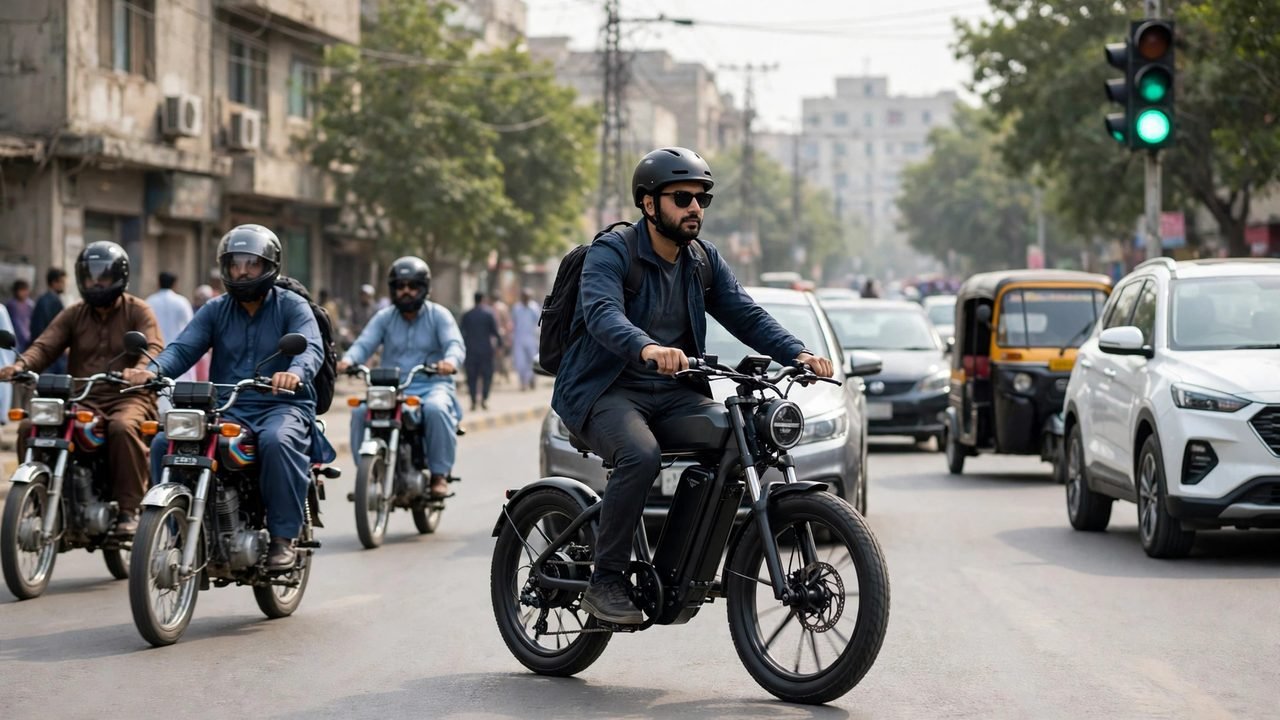
A premium bike is for the rider who wants the best daily experience and is willing to pay for it. It pairs a large battery with a stronger motor and better suspension. It charges faster, rides smoother over rough roads, and usually comes with a digital display showing speed, range, and battery health, plus a reverse mode for tight parking. On the road, a premium bike holds its speed on a flyover, brakes with confidence in traffic, and stays comfortable on a long ride. The price is the clear downside, and it is the highest in this guide. A premium bike also costs more to insure and repair, and spare parts may only come from the brand’s own dealer network — check that the dealer has a service centre near you and that the battery warranty is at least two years.
- Pros: Best range, comfort, and build quality, faster charging, strong brakes and suspension.
- Cons: Highest price, costlier repairs and spare parts, needs a dealer service centre nearby.
A premium electric bike is typically around Rs 380,000–450,000 (check the seller for the current price).
Best Electric Bike in Pakistan: Price Guide
Prices mostly follow battery size and motor power, and are typically around Rs 180,000–450,000 (check the seller for the current price).
- Rs 180,000–250,000: Budget commuter bikes for short daily trips. Expect a range of around 50 to 70 kilometres per charge.
- Rs 230,000–320,000: Everyday city bikes, the sweet spot for most commuters: a mid-size battery and a range of around 70 to 100 kilometres.
- Rs 280,000–420,000: Cargo or family bikes with reinforced frames and carrying space.
- Rs 300,000–400,000: Long-range bikes for riders who cover 100 kilometres or more a day.
- Rs 380,000–450,000: Premium bikes with the largest batteries, fastest charging, and the best build quality.
Prices change with the exchange rate and import costs, so treat these bands as a budgeting guide, not a quote. Compare two or three sellers, and ask whether the price includes the charger and the battery warranty card — some sellers add the charger separately, so get the full price in writing.
Running Costs: Petrol vs Charging
The running cost is the main reason most buyers switch. A daily commute of 40 kilometres on a petrol bike can cost several hundred rupees a day in fuel alone. An electric bike on the same route uses electricity from a home socket, and a full charge typically costs a small fraction of a tank of petrol.
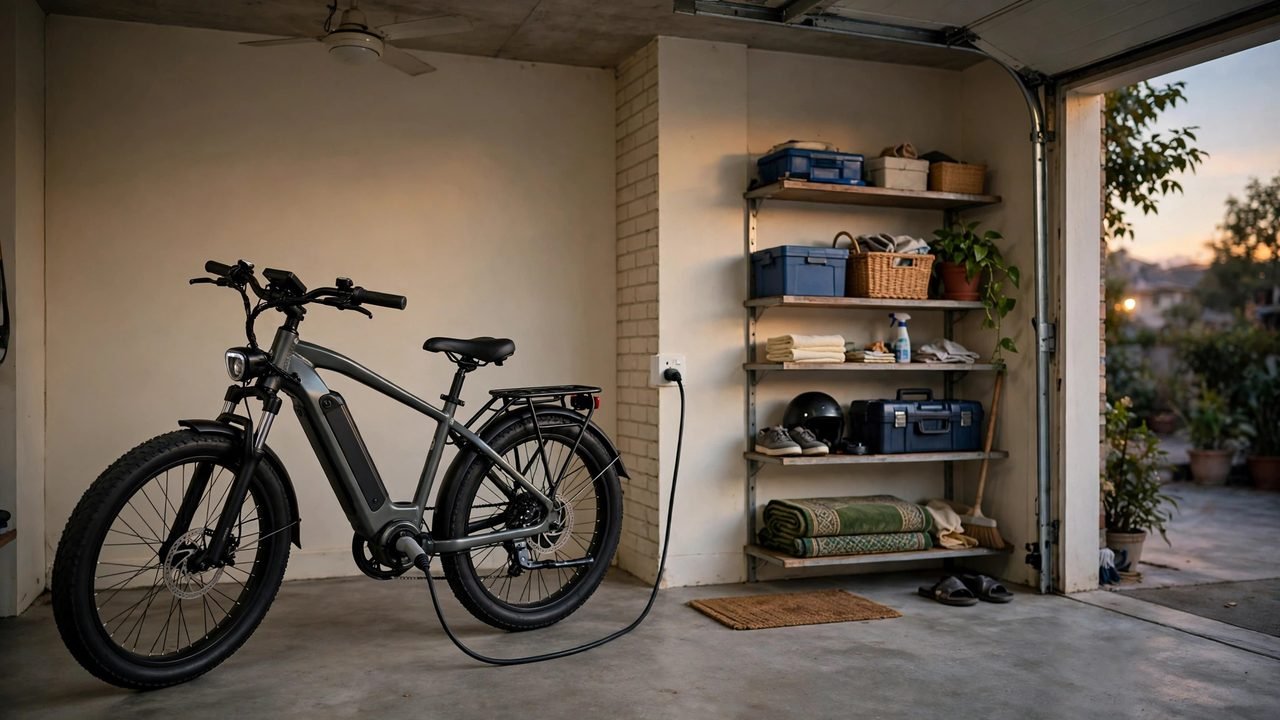
Charging at home is simple: plug the bike in overnight, and it is ready in the morning. A full charge takes three to six hours. The cost you must plan for is the battery: it lasts several years with daily use, but replacing it is the single biggest expense of owning an electric bike. That is why the battery warranty matters so much — a two-year warranty protects you from the worst surprise.
Buying Tips
Start with your real daily distance. Write down how far you ride each day, then add a margin of 20 to 30 percent, because range drops with a pillion rider and in hot weather.
Next, check the battery. Ask whether it is lithium or lead-acid, how many charging cycles it is rated for, and whether it can be removed for indoor charging. Lithium costs more but lasts longer. Always get the battery warranty in writing.
Test ride before you pay. Ride over a speed breaker, brake hard, and try it with a pillion rider if you usually carry one. Check that the seat is comfortable and the brakes feel strong.
Ask about registration and the licence. Rules vary, so ask the seller what documents the bike comes with, whether it needs registration, and whether your existing motorcycle licence covers it. Also ask about insurance: a bike that costs several lakh rupees is worth insuring against theft.
Finally, buy from a seller with a service centre you can actually reach. Electric bikes need less maintenance than petrol bikes, but they still need brake pads and tyres. A dealer network matters more than a small discount from a seller with no workshop. Check that spare parts are in stock before you pay.
Frequently Asked Questions
How far can an electric bike go on one charge in Pakistan?
A budget commuter covers around 50 to 70 kilometres, a city bike around 70 to 100, and a long-range bike around 100 to 150. Real range is usually lower than the brochure figure, because a pillion rider, hot weather, and stop-start traffic all use more power.
How much does it cost to charge an electric bike at home?
A full charge costs far less than the petrol a bike would burn on the same distance. The exact cost depends on your electricity tariff and the battery size. Charging overnight takes around three to six hours for a full charge.
Do I need a licence and registration for an electric bike in Pakistan?
The rules vary, so check before you buy. Some electric bikes need registration and a motorcycle licence, while others are treated differently depending on motor power and top speed. Ask the seller what documents come with the bike, and confirm with your local excise office.
How long does an electric bike battery last, and what does a new one cost?
A lithium battery usually lasts several years with daily use, if you avoid draining it fully. A replacement battery is the most expensive part of the bike, so check its price before you buy, and make sure the battery warranty is at least one year — two years is better.
Is it better to buy an electric bike from Daraz or a local dealer?
Both can work. Daraz and online stores let you compare prices and read buyer reviews, but you cannot test ride the bike first. A local dealer lets you sit on the bike, test ride it, and ask about the battery warranty face to face. Either way, confirm the price and the return policy before you pay.
Conclusion
An electric bike makes sense for a growing number of Pakistani riders: no petrol bills and a daily running cost that is a fraction of a petrol bike. Pick the range that covers your real daily distance, get the battery warranty in writing, and buy from a dealer with a service centre you can reach. For more trending picks and buying guides, visit the product feed at trendz.pk.