Best Immersion Rod in Pakistan (2026): Price Guide & Winter Buying Tips
Winter mornings in Pakistan can be bitter, with tap water turning icy from November to February. A geyser is slow to heat a full tank and uses a lot of gas or electricity, and many homes face gas load-shedding right when hot water is needed most. That is why so many Pakistani households keep an immersion rod at home: a simple rod with a heating coil that you dip into a bucket, plug in, and within minutes you have warm water for a bath or washing. If you are looking for the best immersion rod in Pakistan, this guide covers the types worth buying, what they cost, and how to use one safely. Immersion rods in Pakistan typically cost around Rs 800–3,500 (check the seller for the current price), depending on wattage, build quality and safety features.
Quick Picks
- One person: a basic 1000W rod — cheap, light and fast enough for a single bucket.
- Families: a 1500W–2000W rod that heats a large bucket or drum fast.
- Safety: a shock-proof rod with a safety cut-off and a solid handle.
- Control: a rod with a thermostat that holds the temperature you set.
- Travel: a small portable rod for a mug or a small basin of water.
Basic 1000W Immersion Rods for Small Buckets
A 1000W immersion rod is the simplest and cheapest option, and for many homes it is all that is needed. It usually takes around 10 to 15 minutes to warm a standard bucket to bathing temperature, enough for one or two people in the morning. The rod is light, easy to store, and draws less electricity, so it suits homes with older wiring.
These rods are sold at electric shops in every city, on Daraz, and at general stores, usually with a plastic handle and a cord of about one to one and a half metres. When buying, check that the coil is evenly wound, the handle feels solid, and the cord has no cuts or exposed wire. A very cheap rod with thin wiring or a loose handle is not a bargain — it is a risk.
Pros:
- Lowest price of any type
- Light and simple to use
- Uses less electricity than high-wattage rods
Cons:
- Slow for large buckets or drums
- Often lacks a thermostat or cut-off
- Thin coils can wear out faster with daily use
1500W–2000W Rods for Large Buckets and Drums
For a family of four or five, a 1000W rod means heating bucket after bucket all morning. A 1500W or 2000W rod heats a large bucket or even a drum much faster — in practice, a 2000W rod brings a big bucket to bathing temperature in roughly half the time of a 1000W model.
Higher wattage means a bigger electricity draw, so check your home wiring first. A 2000W rod needs a proper 15-amp socket with good wiring, not a thin extension cord or a multi-plug shared with other appliances. They cost more than basic models, but the time saved each morning makes them worth it for larger households.
Pros:
- Heats large volumes of water much faster
- One round of heating can serve several people
- Good value for joint families and hostels
Cons:
- Draws more electricity and needs proper wiring
- Heavier and bulkier than 1000W rods
- Costs more than a basic rod
Shock-Proof and Water-Proof Rods with Safety Cut-Off
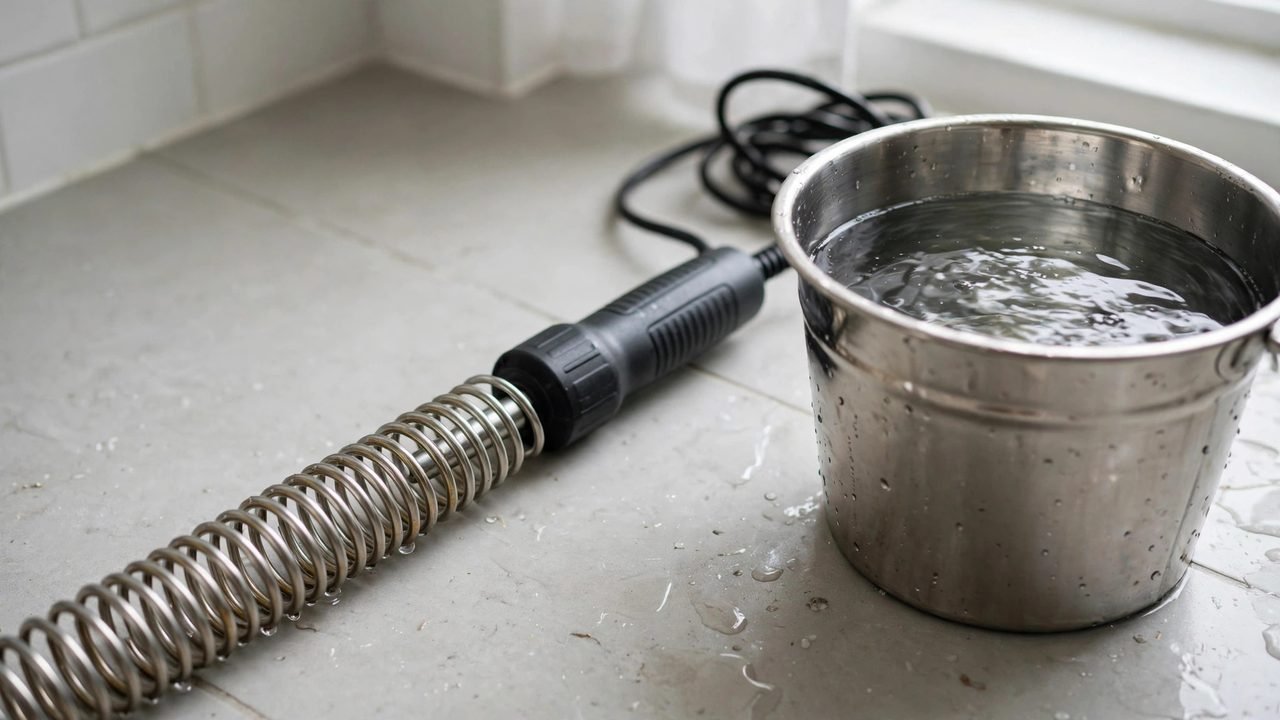
Safety is the biggest concern with immersion rods, and shock-proof models earn their price here. A good shock-proof rod has a sealed heating element, an insulated handle, and a safety cut-off that switches it off if it overheats or the water level drops below the coil. Some also have an indicator light showing whether the rod is on.
These rods suit homes with children or elderly parents. The water-proof coating also helps the rod last longer by resisting rust and scale from hard water. Look for safety markings on the box, a proper three-pin plug, and a handle that stays cool.
Pros:
- Much safer around water, with cut-off protection
- Sealed coil resists rust and lasts longer
- Indicator light shows when it is running
Cons:
- Costs more than a basic rod
- Cut-off sensors can fail if the rod is mishandled
- Some cheap copies claim features they do not have
Rods with Thermostat and Temperature Control
A thermostat rod lets you set the water temperature instead of guessing. You turn a dial or press a button, and the rod switches itself off once the water reaches that temperature. That removes the most common mistake with immersion rods — leaving it on too long and ending up with scalding water, or forgetting it and wasting electricity.
This suits families with small children, since you can heat water to a safe, lukewarm temperature for a baby’s bath. Thermostat rods cost more than basic ones, and the thermostat is one more part that can wear out, so buy from a known brand or a seller who offers a warranty, even a short one.
Pros:
- Water heats to the temperature you set, then stops
- Safer for children and elderly family members
- Saves electricity by avoiding overheating
Cons:
- Higher price than basic and shock-proof rods
- Thermostat can wear out over time
- Fewer models in small shops
Portable Travel Rods for Small Quantities
A portable travel rod is a small, lightweight version for heating a mug, a small jug or a basin of water. Students in hostels, people who travel for work, and anyone staying somewhere without a geyser find them useful. They usually run at 500W to 1000W and fit easily in a bag.
Travel rods are not a replacement for a full-size rod at home — they heat small amounts slowly. But for warm water for shaving, a face wash on a cold morning, or a warm-up while travelling in the northern areas, they do the job. Check the cord length before buying, since short cords are common, and always use a stable container that cannot tip over.
Pros:
- Small, light and easy to carry
- Cheap and simple to use
- Useful in hostels, hotels and while travelling
Cons:
- Only heats small amounts of water
- Slow compared with full-size rods
- Not built for heavy daily use
Immersion Rod Safety: Rules You Should Never Skip
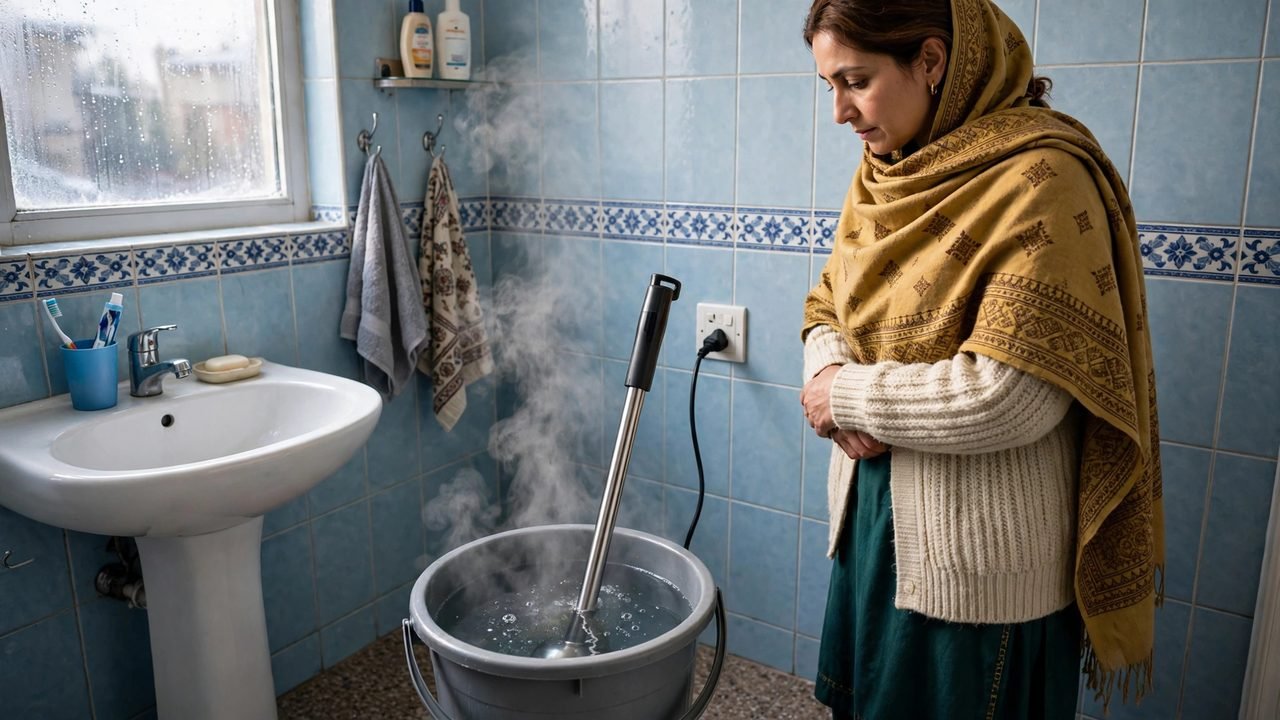
An immersion rod heats water with live electricity, so safety is not optional. First: never touch the water, the bucket or the rod while it is plugged in and switched on. Always switch it off and unplug it before putting your hand in the water to check the temperature. Second, always plug the rod into a proper wall socket with a good earth connection. Avoid extension boards, loose sockets and multi-plugs, which can overheat.
Before every use, look at the rod. If the coil is bent, the handle cracked, the cord cut, or the plug damaged, do not use it — get it repaired by a proper electrician or replace it. Keep the rod away from children at all times and never leave a switched-on rod unattended. Fill the bucket first, place the rod so the coil is fully covered, and only then switch it on — running a rod in air, even for a few seconds, can burn out the coil. During load-shedding, the rod stops heating when the power goes, but it stays hot for a while — handle it with care and keep it away from plastic buckets until it cools.
Immersion Rod Price in Pakistan
Immersion rods in Pakistan typically cost around Rs 800–3,500 (check the seller for the current price). Price depends mainly on wattage, safety features and brand. Basic 1000W rods sit at the lower end, typically around Rs 800–1,500 (check the seller for the current price). Mid-range 1500W–2000W rods usually fall around Rs 1,500–2,500 (check the seller for the current price), while shock-proof and thermostat models sit at the top, typically around Rs 2,500–3,500 (check the seller for the current price). Small travel rods are the cheapest, often around Rs 800–1,200 (check the seller for the current price).
Prices vary between cities and sellers: a rod from a wholesale electric market in Lahore or Karachi may cost less than the same type from a small shop in a remote town, and online prices on Daraz change with sales and delivery charges. Branded rods cost more but usually come with better wiring, a proper plug and some warranty. Factor in delivery charges for online orders — a rod with even a three-month warranty beats a cheaper one with none.
Buying Tips
Match wattage to your household: one or two people do well with 1000W, while a family should look at 1500W or 2000W. Check your wiring first — if your bathroom socket is old or loose, get an electrician to fit a proper 15-amp socket before using a high-wattage rod. The coil should be evenly wound and firmly fixed, the handle solid, the cord thick and flexible, and the plug a proper three-pin one.
Buy from a seller you can return to — a known electric shop, an official brand store, or a well-rated seller on Daraz. Ask about the warranty and keep the receipt. Avoid rods sold loose without a box or brand at a price far below the market; they often use thin wire and poor insulation. If your area has hard water, rinse the coil after use and wipe it dry to slow scale build-up. Keep the rod in a dry place, out of children’s reach, and replace it at the first sign of damage rather than repairing it yourself.
Frequently Asked Questions
How long does an immersion rod take to heat a bucket of water? It depends on wattage and bucket size. A 1000W rod usually takes around 10 to 15 minutes to warm a standard bucket to bathing temperature, while a 2000W rod does it in roughly half that time. Cold winter water takes longer, so start a few minutes earlier on the coldest mornings. Is an immersion rod safe to use? Yes, if you follow the safety rules: plug it into a proper socket, keep the coil fully under water, never touch the water while the rod is on, and switch it off and unplug it before checking the temperature. A shock-proof model with a safety cut-off adds protection, and stop using the rod at once if the cord, plug or handle is damaged. Can I use an immersion rod in a plastic bucket? Yes, most people in Pakistan do, but the coil must stay fully under water and clear of the sides and bottom — a coil resting against plastic can melt it, and one exposed to air can overheat. A steel bucket is safer if you have one, and never leave the rod running unattended. Which immersion rod is best for a family in Pakistan? For most families, a 1500W or 2000W shock-proof rod with a safety cut-off is the best balance of speed and safety. It heats a large bucket quickly enough for several people, and a thermostat model adds temperature control that is useful for children and elderly family members.
Conclusion
The best immersion rod in Pakistan is the one that fits your household, your wiring and your budget: a basic 1000W rod for a single user, a 2000W shock-proof model for a family, or a thermostat rod for extra safety. Prices typically sit around Rs 800–3,500 (check the seller for the current price), so there is a good option at every budget. Buy from a trusted seller, check the build before paying, and follow the safety rules every time. For more buying guides and price updates on trending products across Pakistan, visit the product feed at Trendz.pk.