Best Induction Cooker in Pakistan (2026): Price Guide & Buying Tips
If winter gas pressure drops in your area, the best induction cooker in Pakistan for your home can keep daily cooking on schedule without an open flame. An induction cooker heats the pan directly through a magnetic field, so water boils fast and spills wipe away easily. Families use these cookers for chai, daal, rice, sabzi, and frying, especially during gas shortages. This guide explains the main types, honest rupee price ranges, and the cookware and power points to check before you buy.
Quick Picks: Best Induction Cooker in Pakistan at a Glance
- Small families and bachelors: Basic single-burner induction cooker — simple controls and the lowest entry price.
- Daily Pakistani cooking: Single-burner model with preset modes — handy settings for frying, soup, and slow cooking.
- Larger families: Double-burner induction cooker — cook rice and curry side by side.
- Busy kitchens: Model with timer and keep-warm — set the time and finish other work nearby.
- Homes with unstable power: Inverter-style premium model — steadier low-power heating and stronger safety features.
Induction cooker prices in Pakistan are typically around Rs 8,000–45,000 (check the seller for the current price), depending on burner count, wattage, build quality, and warranty. Check your cookware and home wiring before you order.
Induction vs Infrared: What Pakistani Buyers Should Know
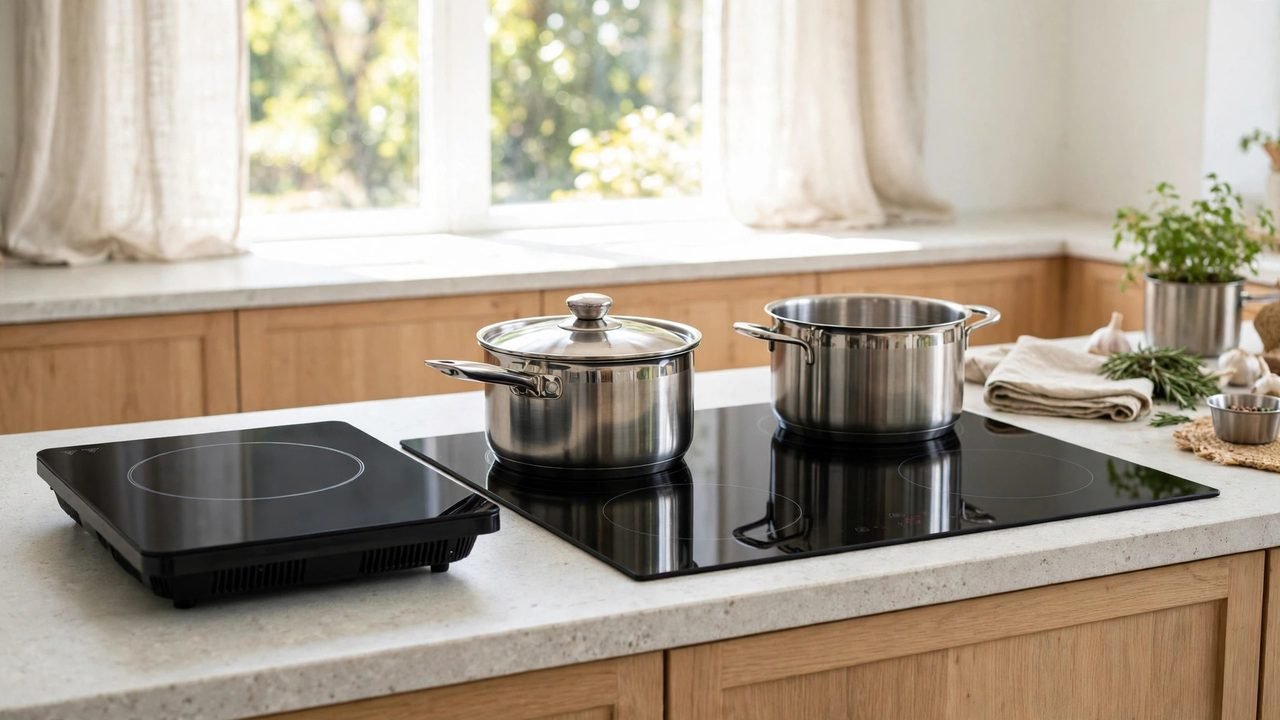
Induction and infrared cookers both have a flat glass top, but they heat differently. An induction cooker creates a magnetic field that heats a suitable pan directly. The glass gets warm mainly from the hot pan, so it cools faster after cooking. An infrared cooker uses a glowing element under the glass. Infrared works with almost any flat-bottom pan, but the top stays hot longer and heating is usually slower.
Cookware is the main point to confirm. The pan base must contain magnetic material, usually iron or magnetic stainless steel. Many steel degchis, frying pans, and pressure cookers work well, while plain aluminium, copper, and glass do not heat on induction. A flat, thick base gives the best contact and helps the cooker detect the pan.
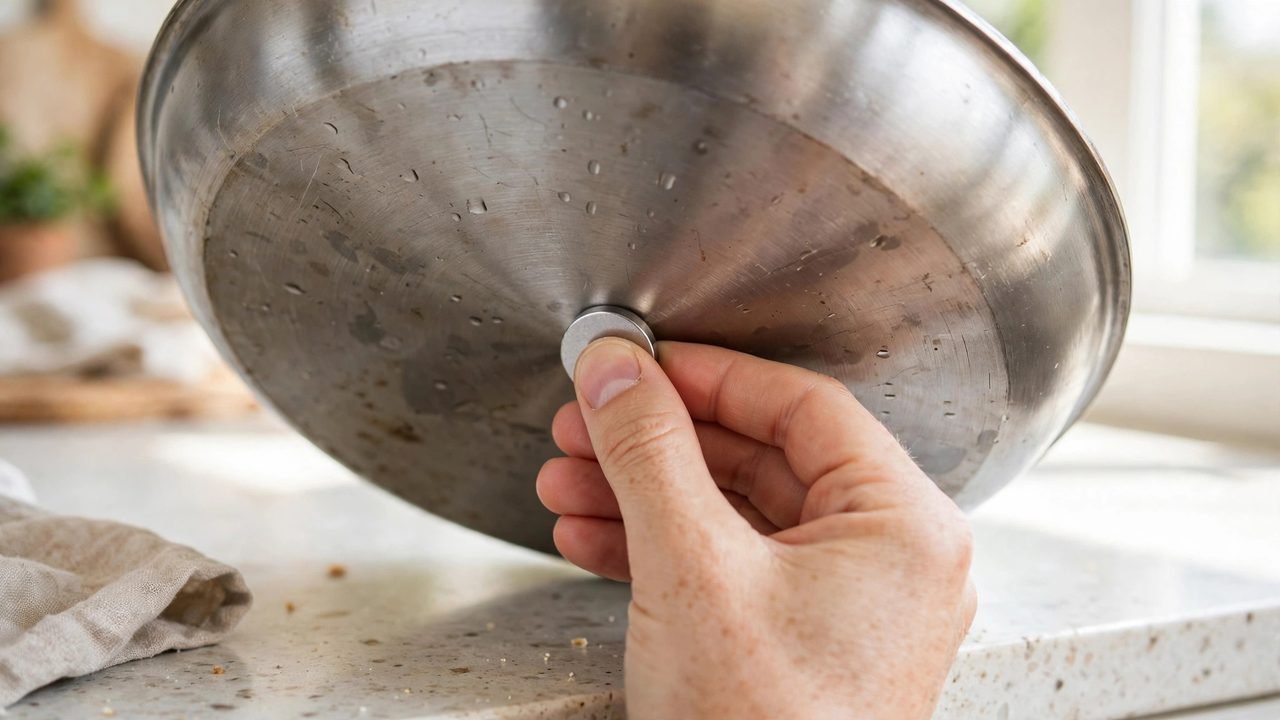
Use the magnet test before buying. Hold a small fridge magnet against the outside base of your pan. If it sticks firmly, the pan should work. If it slides off, the pan will not heat properly. You may need one or two induction-ready pans along with the cooker.
Wattage and home power also matter. Many single-burner models run between about 1,800 and 2,200 watts at full power, while double-burner units can draw more. Use a good quality socket, avoid thin extension leads, and follow the manual for voltage guidance. During load-shedding the cooker needs backup power, and a small fan-and-light UPS is usually unsuitable for this load.
1. Basic Single-Burner Induction Cooker for Small Families
A basic single-burner induction cooker suits small families, students, and anyone who needs a backup during winter gas shortages. It handles chai, milk, rice for two or three people, and a quick sabzi. Simple controls keep operation clear for older family members too.
Choose clear power levels rather than only high and low settings, because daal, rice, and frying need different heat. Keep the cooker on a flat, dry counter with space around the vents so hot air can escape.
Pros:
- Lowest cost way to start induction cooking
- Compact size fits small kitchen counters
- Simple controls suit first-time users
- Useful backup when gas pressure is low
Cons:
- One pan at a time slows larger meals
- Basic models may lack a timer
- Fan noise can be noticeable at full power
Prices for basic single-burner induction cookers in Pakistan are typically around Rs 8,000–12,000 (check the seller for the current price).
2. Single-Burner Induction Cooker with Preset Modes
This type adds preset modes for fry, soup, stew, and keep-warm. Presets help when you want steady heat for daal or a gentle simmer for curry. Models in this group often include a timer, child lock, and automatic pan detection.
Large, readable buttons matter when hands are wet or oily. A timer that switches the cooker off is useful, but stay nearby for frying and pressure cooking. Clear power-level display makes repeat cooking easier.
Pros:
- Preset modes simplify common daily dishes
- Timer and child lock add everyday safety
- Good step up from basic models for families
- Steady low heat helps soups and daal
Cons:
- Presets still need adjustment for local recipes
- Touch panels can react to water spills
- Glass top needs careful handling with heavy pans
Prices for single-burner induction cookers with preset modes in Pakistan are typically around Rs 12,000–18,000 (check the seller for the current price).
3. Double-Burner Induction Cooker for Larger Families
A double-burner induction cooker makes sense when you cook two dishes at once, such as rice on one side and chicken curry on the other. It can replace a two-burner gas hob for many meals and keeps the kitchen cooler than open flames.
Check total wattage and how power is shared between burners. Some models reduce power on one side when the other runs at full heat, which is normal for home circuits. Measure counter space and pan sizes, because two large degchis may crowd each other. A separate timer for each burner is a practical feature, and a model with clear zone markings helps you centre pans for even heating and reliable pan detection.
Pros:
- Cooks two dishes at the same time
- Suits larger families and guest meals
- Keeps the kitchen cooler than gas flames
- Separate controls give flexible heat levels
Cons:
- Higher purchase price than single-burner models
- Needs more counter space and a stronger circuit
- Two large pans may sit close together
Prices for double-burner induction cookers in Pakistan are typically around Rs 25,000–38,000 (check the seller for the current price).
4. Induction Cooker with Timer and Keep-Warm
Models with timer and keep-warm suit busy homes where cooking overlaps with office work or caring for children. Set rice or soup to finish at a chosen time, then hold it warm for serving. Keep-warm helps when family members eat at different times.
This type is often a single-burner unit with better controls, so compare the full feature list. Look for auto shut-off, overheat protection, and a clear end-of-cooking signal. Keep-warm is for short holding periods, not for leaving food unattended for hours.
Pros:
- Timer reduces the need to watch the pan constantly
- Keep-warm helps staggered family meal times
- Auto shut-off adds a useful safety layer
- Good fit for rice, soup, and slow dishes
Cons:
- Timer does not replace supervision for frying
- Keep-warm uses power while food sits
- Feature-heavy panels take time to learn
Prices for induction cookers with timer and keep-warm in Pakistan are typically around Rs 15,000–22,000 (check the seller for the current price).
5. Premium Induction Cooker with Inverter Technology
Premium induction cookers use inverter-style power control to hold low heat steadily instead of switching fully on and off. This helps with slow cooking and gentle frying where heat bursts can burn food. These models often have stronger glass and better cooling fans.
This option suits buyers who cook daily and want smoother control. Ask the seller about voltage protection and local service support, and check whether a stabiliser is advised in the manual. Run the magnet test on your main pans and budget for replacements if needed.
Pros:
- Steadier low-power heating for slow dishes
- Better build and cooling in many premium models
- Strong safety features such as auto shut-off
- Smooth control for frying and simmering
Cons:
- Highest price in this guide
- Repairs may cost more after warranty ends
- Extra features may exceed basic cooking needs
Prices for premium inverter induction cookers in Pakistan are typically around Rs 35,000–45,000 (check the seller for the current price).
Induction Cooker Price in Pakistan: What to Expect in 2026
Induction cooker prices in Pakistan are typically around Rs 8,000–45,000 (check the seller for the current price), with single-burner models at the lower end and double-burner or premium units at the top. Price rises with wattage, glass quality, control features, and warranty length.
Treat these figures as planning ranges, not fixed quotes. Prices change with stock and seasonal demand, and winter gas shortages can affect availability. Compare at least two reputable sellers and confirm the warranty card, service centre details, and return terms before paying. Keep some budget aside for an induction-ready pan or two if your current cookware fails the magnet test, because that cost is part of the real total.
Buying Tips for the Best Induction Cooker in Pakistan
- Run the magnet test: Check every main pan at home; a firm magnet grip on the base means the pan should work.
- Match wattage to your circuit: Confirm the socket and wiring can handle the load, and avoid thin extension leads.
- Plan for load-shedding: A small fan-and-light UPS is usually unsuitable; ask an electrician about backup sizing.
- Check pan size limits: Read the minimum and maximum pan diameter in the manual before buying new cookware.
- Look for safety features: Auto shut-off, pan detection, overheat protection, and child lock are worth having.
- Read the controls: Choose buttons or touch keys you can use easily with wet or oily hands.
- Confirm warranty details: Ask for a stamped warranty card, service centre location, and claim process in writing.
- Protect the glass top: Lift pans instead of dragging them, and clean spills after the surface cools.
FAQ
Can I use my existing pans on an induction cooker?
Only pans with a magnetic base will heat properly. Use the magnet test on the outside base of each pan. If the magnet sticks firmly, the pan should work. Plain aluminium, copper, and glass pans do not work on induction.
Is an induction cooker useful during winter gas shortages?
Yes, it is a practical backup when gas pressure falls, as long as electricity is available. It boils water quickly and handles most daily dishes in suitable pans. During load-shedding it will stop unless you have a properly sized backup system.
How much electricity does an induction cooker use?
Use depends on wattage and cooking time. Many single-burner models draw roughly 1,800 to 2,200 watts at full power and less at lower settings. Your bill depends on units used and your tariff.
Is induction cooking safe for children and older users?
Induction has safety advantages because there is no open flame and the glass cools faster than an infrared top, though it still gets hot from the pan. Models with child lock, pan detection, and auto shut-off are safer choices.
What should I check in the warranty before buying?
Confirm the warranty length, what parts are covered, and where service is available in your city. Ask for a stamped warranty card with the purchase date and keep the receipt.
Conclusion
The best induction cooker in Pakistan for your home depends on family size, cookware, and power supply — a basic single-burner unit covers small households, while double-burner and premium models serve larger kitchens and daily cooking. Run the magnet test, check your circuit, and buy with a clear local warranty. For more buying guides and the latest trending products in Pakistan, visit Trendz.pk before you spend.