Best Electric Toothbrush in Pakistan (2026): Price Guide & Buying Tips
If you brush twice a day with a manual toothbrush, an electric one can still feel like a real step up. The head moves far faster than your hand can, and a built-in timer tells you when two minutes are up. Finding the best electric toothbrush in Pakistan is less about chasing the most expensive model and more about matching the brush to your teeth, your gums and your budget. Prices for electric toothbrushes in Pakistan are typically around Rs 3,000–15,000 (check the seller for the current price).
Electric toothbrushes are now easy to find in Pakistan. Pharmacies in Lahore, Karachi and Islamabad stock them, Daraz lists dozens of options, and official brand stores in malls carry the higher-end models. This guide covers the five main types on sale here, what each costs, and the practical details that matter in Pakistani homes.
Quick Picks
- Best budget pick: a basic sonic toothbrush with a two-minute timer.
- Best for sensitive gums: a sonic toothbrush with a gentle mode and a pressure sensor.
- Best for whitening: a whitening toothbrush with a polishing mode.
- Best for travel: a slim travel toothbrush with a hard case.
- Best for families: a toothbrush with several replaceable heads in one box.
Basic Sonic Toothbrushes
A basic sonic toothbrush is where most people in Pakistan should start. It vibrates the head thousands of times a minute, moving toothpaste and water along the gum line far better than hand brushing. Most models come with one or two modes — a standard clean and sometimes a gentle mode — plus a two-minute timer.
The appeal of a basic model is its simplicity. There is no app to set up and nothing to learn beyond pressing one button. For first-time buyers, this type covers almost everything that matters.
Basic sonic toothbrushes are typically around Rs 3,000–6,000 (check the seller for the current price). Check that replacement heads are easy to find later. A single charge usually lasts about two weeks of twice-daily brushing, and most models charge over USB, which is handy during load shedding since you can top up from a power bank.
- Pros: affordable, simple to use, good cleaning for the price, long battery life, USB charging.
- Cons: few modes, no pressure sensor on most models, replacement heads can be hard to find for unknown brands.
Oscillating-Rotating Toothbrushes
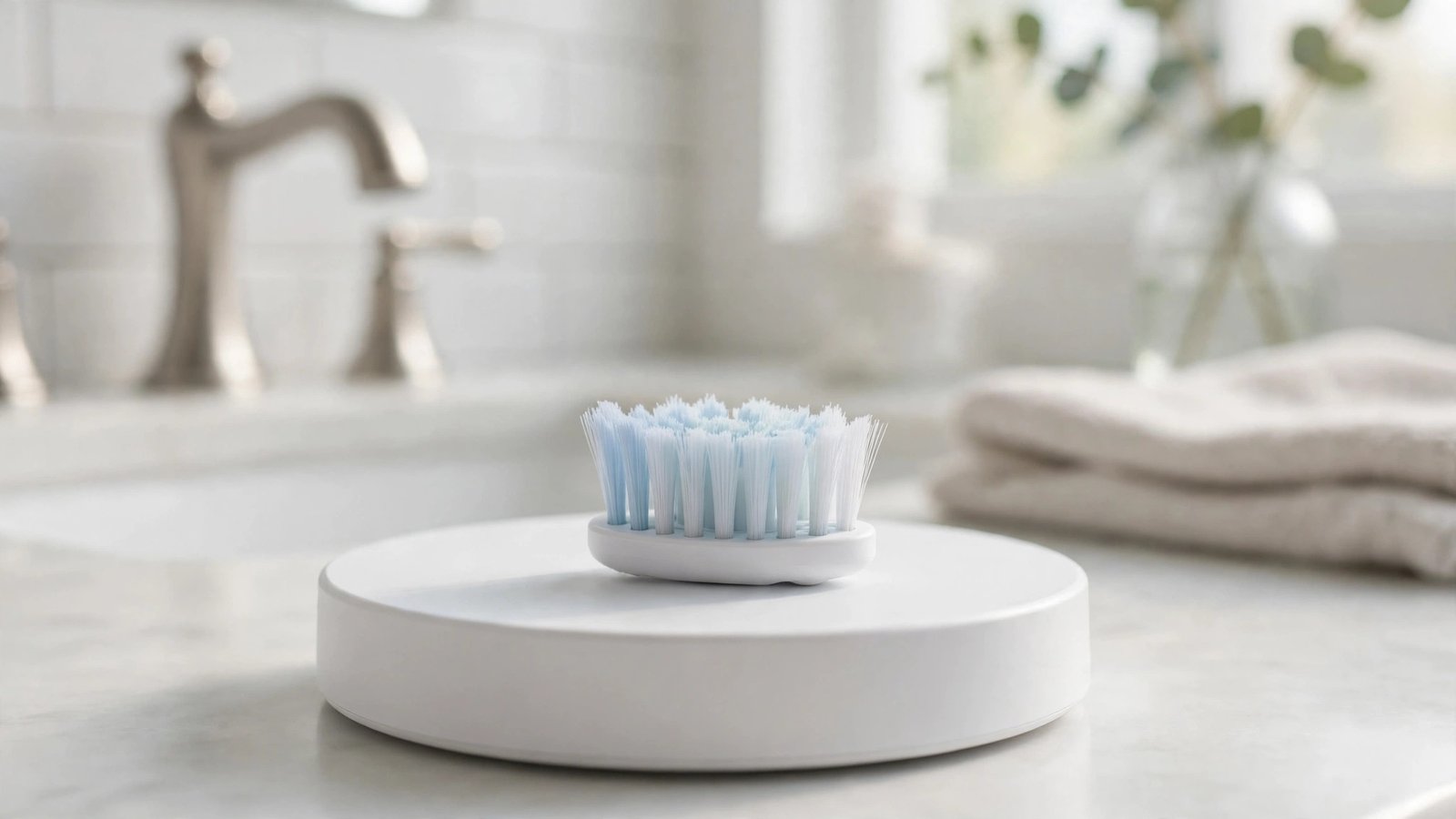
An oscillating-rotating toothbrush works differently from a sonic one. Instead of vibrating, the small round head spins back and forth, cupping each tooth as it cleans. The round head is easy to guide tooth by tooth, for people who want to clean each surface properly.
The small head helps in tight spots — back molars, inside of lower front teeth, and around braces. Most models in this type come with two or three modes and a pressure sensor that slows the head if you press too hard.
Oscillating-rotating toothbrushes are typically around Rs 5,000–12,000 (check the seller for the current price). Replacement heads are widely stocked in Pakistani pharmacies and online, and a pack of two or four heads usually costs far less than a new brush. Change the head every three months, or sooner if the bristles splay out.
- Pros: small round head reaches tight spots, pressure sensor on most models, replacement heads easy to find, good for braces.
- Cons: higher price than basic sonic models, round heads cover less area per stroke, can feel odd at first.
Toothbrushes with Pressure Sensors
Brushing too hard is one of the most common mistakes people make, and it is common in Pakistan, where many people grew up scrubbing with a hard manual brush. Pressing hard wears down enamel, pushes gums back and makes teeth sensitive to hot and cold drinks. A pressure-sensor toothbrush warns you the moment you push too hard — with a light, a sound or a change in motion.
This type suits anyone with sensitive gums, receding gums or teeth that sting when you drink cold water. The sensor trains you to use a light touch, and after a few weeks most users stop pressing hard even when they pick up a manual brush. Many models also pair the sensor with a gentle mode.
Toothbrushes with pressure sensors are typically around Rs 6,000–14,000 (check the seller for the current price). Before you buy, check how the warning works: a visible light on the handle is easier to notice than a beep you might miss in the morning rush. Also confirm it takes standard replacement heads.
- Pros: stops you brushing too hard, protects gums and enamel, good for sensitive teeth, builds a gentler habit.
- Cons: costs more than a basic brush, sensor warnings can feel annoying at first, some models need the matching heads.
Whitening-Focused Toothbrushes
A whitening-focused toothbrush is built for people who drink a lot of chai, coffee or green tea and notice stains building up on their teeth. These brushes usually have a whitening or polishing mode, plus a head with firmer bristles designed to lift surface stains from the front teeth.
Be clear about what this type can and cannot do. A whitening toothbrush can remove surface stains from tea, coffee and food, which makes teeth look brighter over a few weeks. It cannot change the natural shade of your teeth, and it cannot fix stains that come from inside the tooth. The polishing mode helps — but it is not a substitute for professional whitening at a dental clinic.
Whitening-focused toothbrushes are typically around Rs 5,000–13,000 (check the seller for the current price). Look for a model that lets you switch back to a gentle mode, because using a polishing mode twice a day every day can be too rough for sensitive gums. In hard-water areas, rinse the head well after each use.
- Pros: lifts tea and coffee stains, polishing mode for the front teeth, visible results over weeks, doubles as a daily brush.
- Cons: cannot change natural tooth shade, polishing mode can be rough on sensitive gums, heads cost more than standard ones.
Travel Toothbrushes with Cases
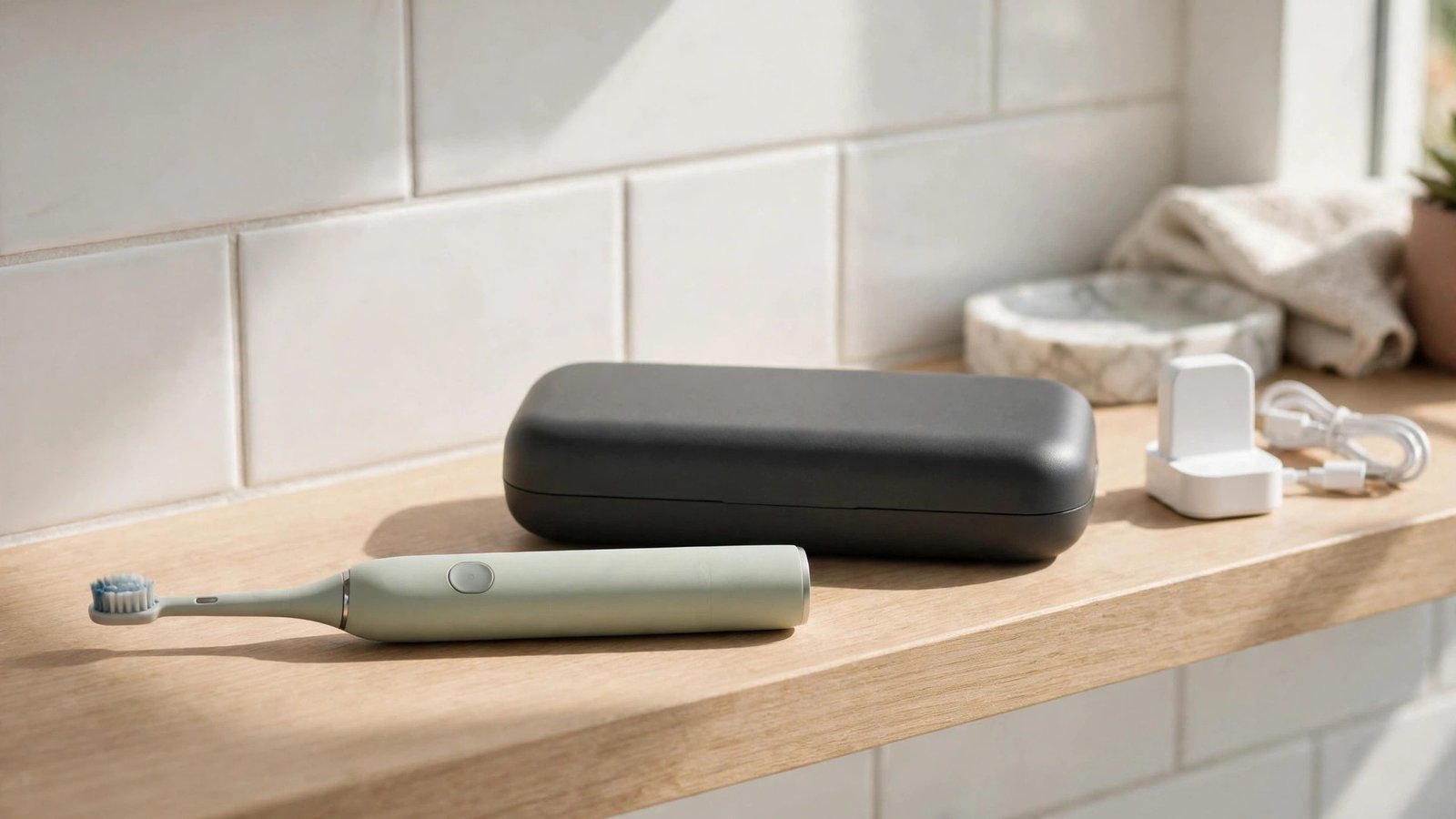
A travel electric toothbrush is a slimmer, lighter version of a home brush, made to fit in a bag without taking up half the space. It usually comes with a hard travel case that protects the head, a cap that covers the bristles, and a battery that lasts three weeks or more on one charge — handy on long journeys, where you may not want to carry a charger.
The best travel models charge over USB-C, so the same cable that charges your phone can charge your brush. That matters during load shedding: a quick top-up from a power bank lasts several days.
Travel toothbrushes are typically around Rs 4,000–10,000 (check the seller for the current price). Before buying, check the case size — some “travel” cases are barely smaller than a home charger. Also confirm the brush uses standard replacement heads, since travel models from unknown brands sometimes use heads that are hard to find in Pakistan once the one in the box wears out.
- Pros: light and compact, long battery life, hard case protects the head, USB charging from a power bank.
- Cons: smaller battery than home models, fewer modes, replacement heads can be hard to find for some brands.
Electric Toothbrush Price in Pakistan
Electric toothbrush prices in Pakistan are typically around Rs 3,000–15,000 (check the seller for the current price). Basic sonic models sit at the lower end, travel and whitening models in the middle, and pressure-sensor and oscillating-rotating models at the top. As a rough guide, expect basic sonic models at typically around Rs 3,000–6,000 (check the seller for the current price), travel and whitening models at typically around Rs 4,000–13,000 (check the seller for the current price), and oscillating-rotating and pressure-sensor models at typically around Rs 5,000–14,000 (check the seller for the current price).
Prices move with the dollar rate and with sale seasons on Daraz, so check two or three sellers before you pay. A brush well below Rs 3,000 is often unbranded, with a weak motor, a short battery life and no support if it stops working. Budget for replacement heads too: you will need a new head every three months. Ask for a written warranty — six months to a year is normal for known brands — and keep the receipt.
Buying Tips
Pick the right brushing modes. Two modes are enough for most people: a standard clean for daily use and a gentle mode for sensitive days. Extra modes like whitening or gum care are a bonus, not a must.
Do not skip the pressure sensor. If you have ever been told you brush too hard, or your gums bleed when you brush, a pressure sensor is the single most useful feature you can buy. It corrects the habit every single morning, which a timer or an app cannot do.
Check the battery and charging. A good brush lasts at least two weeks on one charge with twice-daily brushing. USB charging is the practical choice in Pakistan, because you can charge from a power bank during load shedding.
Plan for replacement heads. Before you buy, search for replacement heads for that exact model on Daraz or at a pharmacy near you. A cheap brush with heads you cannot find is a false saving.
Ask about the warranty and the seller. Buy from a pharmacy, an official brand store or a seller with strong reviews, not from a random listing with no ratings. Check whether the warranty is handled locally in Pakistan, and keep the box and the receipt.
Frequently Asked Questions
Is an electric toothbrush better than a manual one?
For most people, yes, because it keeps the brushing motion steady and the timer makes sure you brush for the full two minutes. A careful person with a manual brush can clean well too, but an electric brush makes good technique easier to keep up.
How often should I replace the brush head?
Replace the head every three months, or sooner if the bristles splay outward or feel rough. Rinse it well after each use and store it upright so it dries between brushes.
Can I use an electric toothbrush if I have sensitive gums?
Yes, and it can help, as long as you use a gentle or sensitive mode and let the brush do the work instead of pressing hard. A model with a pressure sensor is the safest choice. If your gums bleed for more than a week, see a dentist rather than switching brushes.
How long does the battery last, and what about load shedding?
Most electric toothbrushes last about two weeks on a full charge with twice-daily brushing. USB-charged models are the most practical in Pakistan, because a short charge from a power bank during load shedding is enough for several days.
Where can I buy an electric toothbrush in Pakistan?
You can buy one from pharmacies in major cities, official brand stores in malls, and online from Daraz and other sellers. Compare two or three sellers before paying, and buy from a seller that offers a written warranty.
Conclusion
The best electric toothbrush in Pakistan is the one you will use twice a day, every day, with a light touch and a fresh head every three months. A basic sonic brush covers most people; a pressure-sensor model protects sensitive gums; and a whitening brush tackles tea and coffee stains. Prices are typically around Rs 3,000–15,000 (check the seller for the current price) — set your budget, check replacement-head availability, and insist on a written warranty.
Give it two weeks before you judge it. For more trending picks and buying guides, browse the product feed at trendz.pk.