Best Juicer Blender in Pakistan (2026): Price Guide & Buying Tips
Introduction
Finding the best juicer blender in Pakistan in 2026 is really about how your household actually eats and drinks. A family in Karachi making fresh orange juice every morning, a fitness-minded couple in Islamabad blending protein shakes, and a mother in Lahore preparing soups and chutneys all need different machines, even though all three search for the same thing. The wrong choice ends up gathering dust in a cupboard, while the right one gets used daily.
Fresh juice and blended drinks have become a daily habit in many Pakistani homes, partly because seasonal fruit is cheap and plentiful — mangoes in summer, kinnows in winter, bananas all year round. A good juicer blender turns that fruit into juice, smoothies, lassi and milkshakes in minutes, saving money on packaged drinks that are mostly sugar and water. The market is crowded, though, with lookalike machines at every price point.
This guide keeps things practical. It walks through the main types of juicer blenders you will find in Pakistani shops, gives honest pros and cons for each, and lays out realistic price ranges in rupees so you can choose with confidence.
Quick Picks
- Best for daily family juice: A centrifugal juicer with a wide feeding chute, so whole kinnows and apples go in with less chopping.
- Best for smoothies and shakes: A high-power blender with a sturdy jar, ideal for banana shakes, lassi and protein drinks.
- Best for health-focused buyers: A slow cold-press juicer squeezing more juice from leafy greens, carrots and wheatgrass.
- Best for small kitchens: A compact two-in-one juicer blender handling both jobs without taking over the counter.
- Best value overall: A mid-range machine from a known brand with local warranty, bought on sale from an authorised seller.
Centrifugal Juicers
Centrifugal juicers are the most common juicers in Pakistani kitchens. They spin fruit against a fine mesh at high speed, separating juice from pulp in seconds. If your main goal is a quick glass of kinnow, apple or carrot juice before work or school, this is the fastest route from fruit to glass.
Their speed is also their weakness. Fast spinning creates heat and foam, and leafy greens like spinach or mint give very little juice in a centrifugal machine. Cleaning takes a few minutes, since pulp collects in the mesh and the lid. For a household juicing hard fruit daily and valuing speed over squeezing every last drop, a centrifugal juicer is a sensible, affordable choice.
- Pros: Very fast, easy to use, handles hard fruit well, widely available and affordable.
- Cons: Poor with leafy greens, juice separates quickly, noisier than slow juicers, daily cleaning needed.
High-Power Blenders
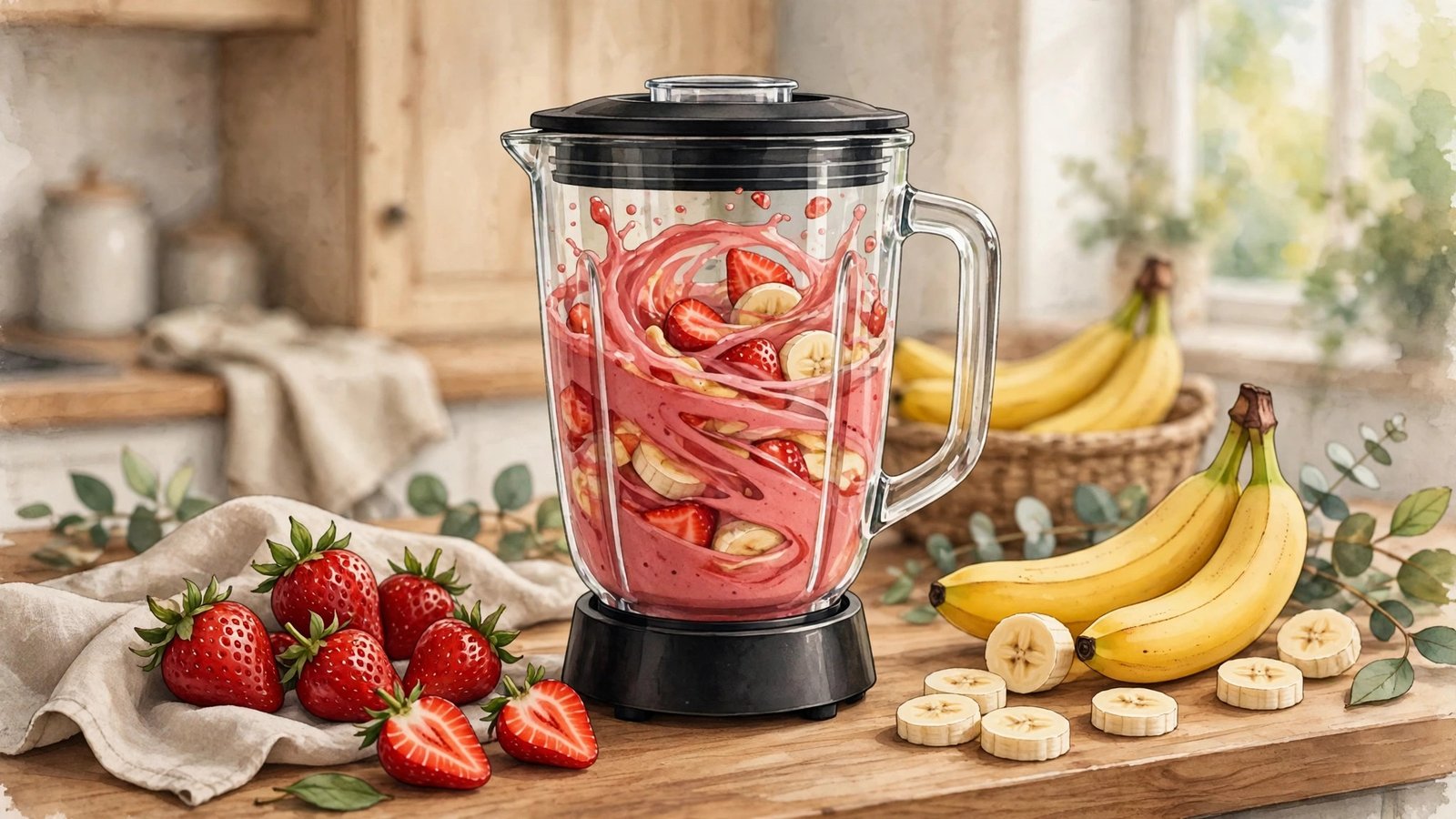
High-power blenders do not separate pulp at all — they blend the whole fruit, which means you keep the fibre. That makes them the better pick for smoothies, banana shakes, mango lassi, milkshakes and soups, where thickness and fibre are part of the drink. A strong motor also crushes ice, frozen fruit and nuts without straining, unlike cheaper blenders.
In Pakistani homes a good blender earns its keep beyond drinks: it grinds chutneys, blends soup bases and mixes batters. Look for a solid jar, a lid that locks properly, and a base that stays steady rather than dancing across the counter. The trade-off is that a blender cannot make clear, pulp-free juice — for a clean glass of apple juice with no fibre, you need a juicer, not a blender.
- Pros: Keeps all the fibre, great for shakes, lassi and soups, crushes ice and frozen fruit.
- Cons: Cannot make clear pulp-free juice, thicker drinks need added liquid, larger jars take storage space.
Slow Cold-Press Juicers
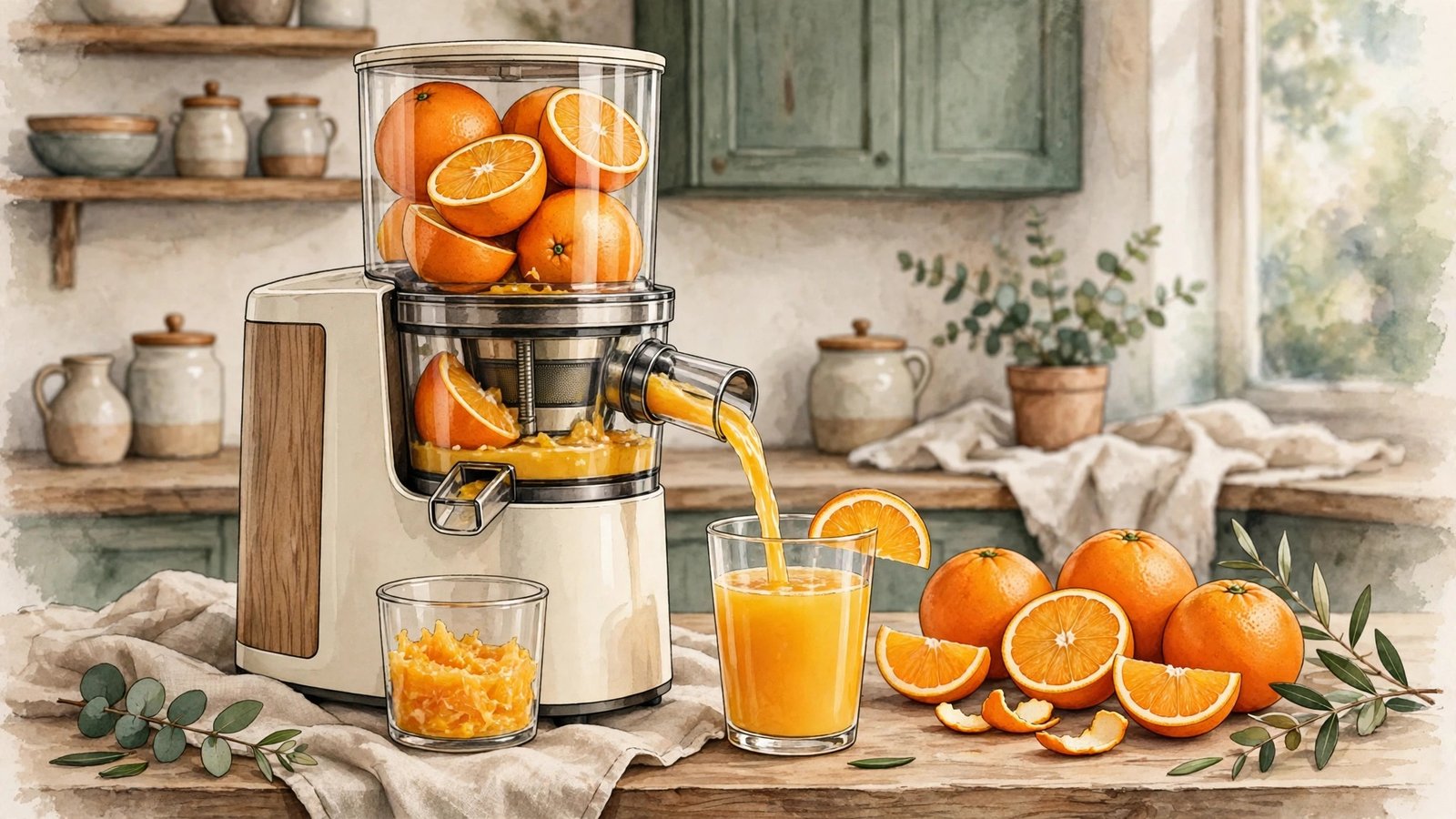
Slow cold-press juicers, also called masticating juicers, crush and press fruit slowly instead of spinning it fast. The result is juice with less foam and separation, and noticeably more juice from leafy greens, wheatgrass, cucumber and soft fruit. Health-focused buyers who juice spinach, mint, carrots and beets every day usually prefer this type once they try it.
The cost is time and money. A cold-press juicer takes longer per glass, needs fruit cut smaller, and costs more than a centrifugal model. Cleaning involves more parts, though most modern designs rinse quickly under a tap. If your juicing is mostly kinnows and apples, the extra spend is hard to justify — but if greens and daily green juices are your routine, the better yield pays back over months.
- Pros: Best yield from leafy greens, less foam and separation, quieter operation.
- Cons: Slower juicing, higher price, more parts to clean, fruit needs more prep.
Two-in-One Juicer Blenders
Two-in-one juicer blenders combine a juicing attachment and a blending jar on a single motor base, and they are a smart answer to the small kitchens found in many Pakistani flats. Instead of buying two machines, you buy one base and switch attachments for clear juice or a thick smoothie. For a young couple or a small family, that saves both money and counter space.
The compromise is that a combined machine rarely matches the best dedicated juicer or blender. The juicing attachment may be slower than a standalone juicer, and the blending jar smaller than a full-size blender. Check both attachments before buying, and confirm spare parts like jars, blades and filters are available locally. A two-in-one with a broken jar and no spare is just an expensive paperweight.
- Pros: One machine does both jobs, saves counter space and money, good for small households.
- Cons: Neither function is best-in-class, smaller jars, spare parts availability matters a lot.
Commercial-Style Heavy-Duty Machines
Commercial-style heavy-duty juicer blenders are built for juice bars, cafes, dhabas and large joint families that make juice several times a day. They use stronger motors, thicker jars and sturdier blades, and keep going through back-to-back batches that would overheat a normal home machine. If you run a small juice stall or a household of fifteen people, this category is worth a look.
For an average family, though, a heavy-duty machine is usually overkill. It costs more, takes more counter space and uses more electricity per session than a home model. The exception is durability: a well-built heavy-duty machine can outlast two or three cheap home machines, which changes the maths if you juice daily. Buy it for the workload, not the specifications on the box.
- Pros: Handles continuous heavy use, longer lifespan, strong motors and sturdy build.
- Cons: Higher price and power use, bulky on the counter, more than most families need.
Price Guide: What Juicer Blenders Cost in Pakistan
Prices for juicer blenders in Pakistan typically range from around Rs 8,000 to Rs 35,000 (check the seller for the current price). At the lower end, roughly Rs 8,000 to Rs 15,000, sit basic centrifugal juicers and simple two-in-one machines covering everyday family juicing. The middle band, around Rs 15,000 to Rs 25,000, brings better motors, sturdier jars and more reliable brands. Above Rs 25,000 sit cold-press juicers and heavy-duty machines that push toward Rs 35,000.
Three factors move prices most: motor power and build quality, whether it is a known brand with local warranty, and whether you are buying a single-function machine or a multi-attachment set. Very cheap unbranded machines often have weak motors that burn out within months, especially on hard fruit like carrots. Spending a little more on a machine with a proper warranty usually works out cheaper than replacing a dead one.
Buying Tips for Pakistani Buyers
Start by matching the machine to the drink you actually make most. If your household drinks kinnow juice every winter morning, a centrifugal juicer is enough. If smoothies and shakes dominate, a strong blender is the better spend. Buying a cold-press juicer for a family that only juices oranges is wasted money, and buying a cheap blender for daily ice-crushing is a quick route to a burnt motor.
Check the warranty in writing and buy from a seller who stocks spare parts. Ask whether it is local, how long it covers the motor, and whether jars, blades and filters are available separately. Be cautious with suspiciously cheap machines from unknown sellers — weak motors, fake wattage claims and non-standard jars are common. Keep the box, receipt and warranty card, and test the machine on your toughest regular job in the first week, whether carrots, frozen mangoes or ice.
Power and voltage deserve attention in Pakistani homes. Confirm the machine is rated for local voltage and use a stable socket, since fluctuations and sudden restoration after load-shedding can damage motors over time. A surge-protected socket is a cheap safeguard for any kitchen appliance. Also check jar size against your family: a small jar means blending in batches for six, which gets tedious fast.
Finally, be honest about cleaning. A juicer that is hard to clean will not get used, no matter how good its juice tastes. Look for detachable parts that rinse easily, and a design where pulp does not trap in awkward corners. Machines with dishwasher-safe parts save real time, but even hand-washing is quick if the design is simple. The best juicer blender for your home is the one you will actually clean and use tomorrow morning.
Frequently Asked Questions
Which is better for daily use in Pakistan, a juicer or a blender?
It depends on the drink. A juicer gives clear, pulp-free juice and suits kinnow, apple and carrot juice. A blender keeps all the fibre and suits smoothies, shakes, lassi and soups. If your family drinks both, a two-in-one machine covers everything. For most households starting out, a blender gets used more often because it handles a wider range of recipes.
Can a juicer blender handle mangoes and other Pakistani seasonal fruit?
Yes, and seasonal fruit is where these machines shine. Mangoes blend beautifully for shakes and lassi, kinnows juice quickly in winter, and bananas thicken any smoothie. For mangoes, a blender or pulpy juicer attachment works better than a clear-juice extractor, since mango pulp is thick. Cut fruit into chunks, remove hard seeds, and add water or milk if the mixture is too thick.
How do I clean a juicer blender properly?
Rinse parts immediately after use, before pulp dries and sticks. Most jars, blades and filters come apart and wash under a tap with mild soap; avoid harsh scouring pads on plastic jars, which cloud over time. Dry parts fully before storing to prevent smell. A quick rinse after every use takes two minutes and prevents the dried-pulp scrubbing that makes people stop using their juicer.
Do juicer blenders work well during load-shedding?
Like any kitchen appliance, they need power, so they stop during a power cut. Plan juicing around your area's schedule, and avoid running the motor the instant power returns, when voltage can spike. If your home has a UPS or inverter, check it can handle the motor's wattage first — many home UPS units are not rated for high-wattage motors.
Should I buy from Daraz, an official store, or an electronics market?
Each channel has a place. Official stores give the strongest warranty assurance. Large online marketplaces offer convenience, buyer protection and frequent sales. Electronics markets can give good prices and hands-on demos, but verify the seller's reputation and warranty terms yourself. Wherever you buy, keep the receipt and confirm the warranty before paying.
Conclusion
The best juicer blender in Pakistan is the one that matches the drinks your household actually makes, survives daily use, and gets cleaned without a fuss — not the one with the biggest wattage number on the box. Pick the type that fits your routine, buy from a seller who honours the warranty, and let Pakistan's cheap seasonal fruit do the rest. A careful purchase today gives you fresh, healthy drinks at home for years.
For more buying guides on trending products across Pakistan, visit the product feed at https://trendz.pk/, where new guides and trending picks are added regularly.