Best IPL Hair Removal Device in Pakistan (2026): Price Guide & Buying Tips
If you are searching for the best IPL hair removal device in Pakistan, you have probably seen claims about smooth skin at home with no salon appointments. The real picture is more practical. A good IPL device can reduce hair growth over time and make regrowth feel finer and slower for many people, but it is not instant, and it does not suit every skin tone or hair colour in the same way. This guide explains the main types sold in Pakistan, what they usually cost, what results to expect, and how to choose a device you can use safely at home.
IPL stands for Intense Pulsed Light. The device sends short flashes of light into the skin, hair pigment absorbs that light, and the heat targets the hair root. With repeated sessions over several weeks, treated hairs usually shed and regrowth can become slower and less noticeable. This is hair reduction, not guaranteed permanent removal. Hair grows in cycles, so one session cannot treat every hair at the right stage. Results vary with skin tone, hair colour, the area treated, and consistency.
Quick Picks: Best IPL Hair Removal Device in Pakistan at a Glance
- Budget IPL handset: For first-time users who want to test IPL on legs or arms without spending too much.
- Cooling or ice-cooling IPL: For people who find normal IPL flashes warm or uncomfortable.
- Corded high-flash-count IPL: For full-body users who want steady power without charging breaks.
- IPL with a skin-tone sensor: For beginners who want extra guidance on intensity levels.
- Premium salon-style IPL: For users who want faster sessions and better build quality for regular use.
No type is right for everyone. The best choice depends on your skin tone, hair colour, budget, and the areas you plan to treat. A cheaper device used correctly and consistently can give a better experience than an expensive device left in a drawer because sessions feel slow or uncomfortable.
Before You Buy: What IPL Can and Cannot Do
IPL works best with clear contrast between skin and hair. Dark hair on lighter to medium skin usually responds better because hair pigment absorbs the light. Very light, blonde, grey, or red hair often responds poorly. Very dark skin needs special care, because skin pigment can absorb more light and raise the risk of burns or dark patches with the wrong device or level. Check the skin-tone chart before you buy.
Do not use IPL over tattoos, dark moles, broken skin, or rashes. Avoid the eye area and never look directly at a flash. If you have a skin condition, are pregnant, or take medicines that make skin sensitive to light, talk to a dermatologist first. A patch test, done as the manual describes, is essential for every new user and body area.
1. Budget IPL Handset
A budget IPL handset is a compact device with a small window, basic intensity levels, and simple controls. For a first-time user treating legs, arms, or underarms, it is a sensible way to learn whether IPL suits your skin and routine. Sessions take longer because the window is small, and you must move slowly to avoid missed patches.
Budget models often have fewer comfort features, and the flash can feel warm. Flash count matters, because a low count can run out sooner on large areas. Check the flash count, window size, and skin contact sensor.
Pros:
- Lower starting cost for first-time users
- Compact and easy to store
- Simple controls with fewer settings
Cons:
- Small window makes full-leg sessions slow
- Fewer comfort and safety features
- Lower flash count on some models
2. Cooling or Ice-Cooling IPL
Cooling IPL devices add a chilled plate around the window, so skin feels cooler during each flash. Many users in Pakistan prefer this type because warm weather and sensitive skin can make a normal flash feel sharper. Cooling does not make IPL painless or remove the need for a patch test, but it can make sessions easier to stick with.
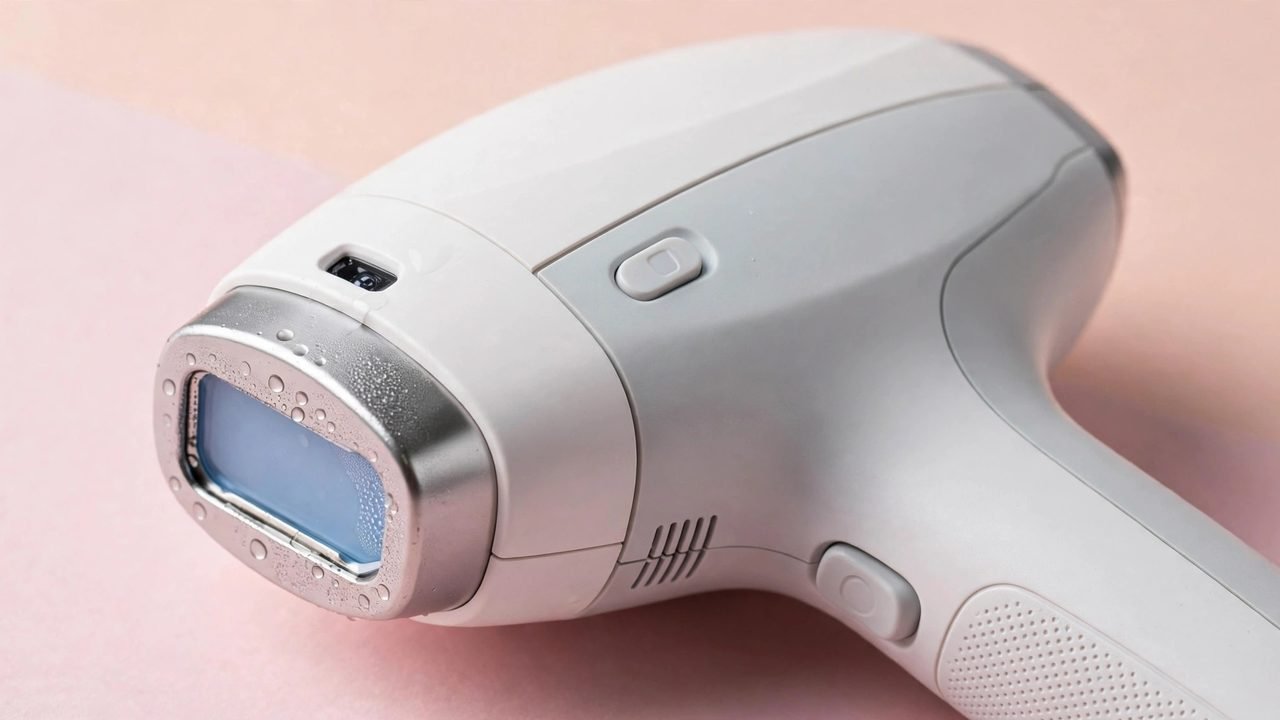
Check how the cooling works and how heavy the handset feels, since weight matters during long leg sessions. Look for a clear skin-tone chart, a few intensity levels, and a contact sensor. A cooling label alone is not enough.
Pros:
- More comfortable sessions for many users
- Helpful on sensitive areas at suitable settings
- Encourages consistent use over the schedule
Cons:
- Costs more than basic handsets
- Can feel heavy during long sessions
- Cooling strength varies between models
3. Corded High-Flash-Count IPL
A corded IPL device plugs into a socket instead of running on a battery, so sessions do not stop halfway for charging. High-flash-count models suit regular maintenance or shared home use, and many offer a larger window for faster coverage.
The trade-off is movement. A cable can be awkward in a small bathroom, so check cable length and socket access first. Look for a glide mode for legs and arms, a manual mode for smaller areas, a contact sensor, and clear intensity guidance.
Pros:
- No charging breaks during long sessions
- High flash count suits regular full-body use
- Often has a larger window for faster coverage
Cons:
- Cable limits movement and needs a socket
- Less convenient for travel
- Can feel bulky in small spaces
4. IPL With a Skin-Tone Sensor
Some devices include a sensor that reads the skin before flashing and suggests or limits the intensity level. For beginners, this reduces guesswork and can stop flashes when skin tone is outside the device range.
A sensor does not replace the manual. You still need a patch test, shaving as directed, and care with tanned or irritated skin. Start low, watch your skin for a day or two, and be careful if a seller cannot show the skin-tone chart.
Pros:
- Helps beginners choose a safer starting level
- Can block flashes outside its skin-tone range
- Useful when skin tone varies by area
Cons:
- Usually costs more than basic models
- Sensor guidance still needs a patch test
- Accuracy and limits vary by model
5. Premium Salon-Style IPL
Premium salon-style devices offer a larger window, quicker flashes, better cooling, a skin-tone sensor, and attachments for smaller areas. For regular legs, arms, and underarms use, these features can shorten sessions and make the routine easier to maintain.
Pay for features you will actually use, not only a fancy box. Check whether service is available in Pakistan and whether the seller honours the warranty. A premium label with no local support is a poor deal.
Pros:
- Faster sessions with larger window and quick flashes
- Better comfort features such as cooling and sensors
- Stronger build quality for long-term use
Cons:
- Highest price in the home IPL range
- Extra attachments may go unused
- Local service support can be limited
IPL Hair Removal Device Price in Pakistan: What to Expect
IPL hair removal devices in Pakistan are typically around Rs 8,000–45,000 (check the seller for the current price). Budget handsets are typically around Rs 8,000–14,000 (check the seller for the current price). Cooling models are typically around Rs 15,000–25,000 (check the seller for the current price). Premium and skin-tone sensor models are typically around Rs 26,000–45,000 (check the seller for the current price). Prices move with stock and seller offers, so treat these ranges as a planning guide, not a fixed market rate.
Look at the full cost, not only the tag. A cheap device with a low flash count may need replacing sooner, while a mid-range model used consistently may give better value. Salon visits in Pakistan add up over time, but a home device needs your own discipline. If you will not follow the schedule, it will not save money.
Buying Tips for the Best IPL Hair Removal Device in Pakistan
Start with skin tone and hair colour, not a discount. Confirm your combination is listed as suitable on the skin-tone chart, or choose another model. Then check window size and flash count: a larger window helps legs and arms, and a higher flash count usually means longer life.
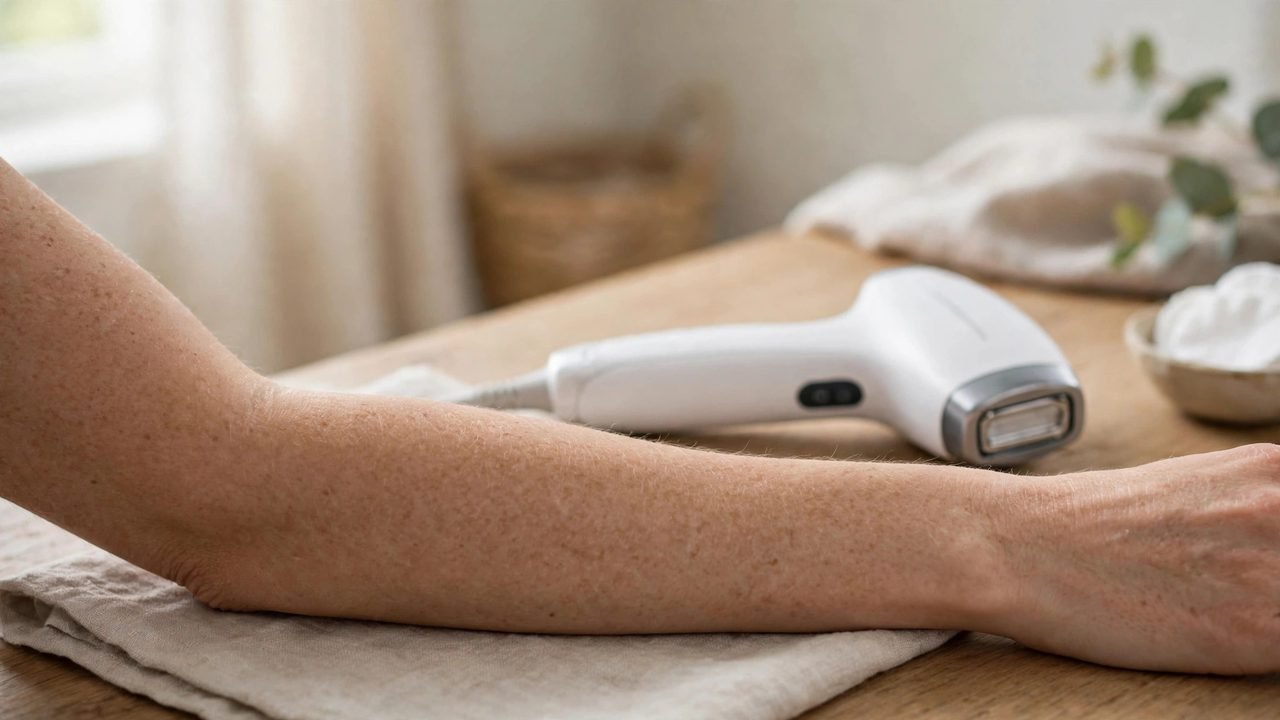
Look for a contact sensor, clear intensity levels, and a manual explaining patch testing, session spacing, and areas to avoid. Never flash near the eyes or look into the window, and keep the device away from children. Shave before treatment if directed, and avoid waxing or plucking beforehand unless the manual allows it.
Buy from a seller you can contact again, whether through Daraz, an official store, or an authorised seller. Check the seller record, get the warranty in writing, and be careful with prices far below other sellers, since copied devices can have weak safety controls. Keep the invoice and warranty card.
Plan your schedule over several weeks, then maintenance when regrowth appears. Note the level used and how your skin felt, avoid tanning treated areas, and stop for medical advice if blistering or lasting marks appear. With eczema, psoriasis, or another skin condition, consult a dermatologist first.
Keep expectations realistic during the first month. Treated hairs do not fall out during the flash itself, and shedding can take days to notice. Some patches may respond faster than others, especially where hair is darker or thicker. Take a dated photo of the same area in the same light every two weeks, so you can judge progress fairly instead of relying on memory. If an area shows no change after a full schedule, check your level, spacing, and skin-tone suitability before buying another device. A calm, consistent routine gives a clearer answer than changing settings every session.
Frequently Asked Questions
Does IPL remove hair permanently?
No home IPL device should be sold as guaranteed permanent removal. IPL is a hair-reduction method. Many users see slower, finer regrowth after a full schedule, and maintenance sessions are usually needed. Results vary with skin tone, hair colour, and consistency.
How many IPL sessions will I need?
Most routines take several sessions spaced over weeks, because hair grows in cycles and not every hair is ready to respond at the same time. Follow the schedule in your manual for your skin tone and treatment area. Judging a device after one session is too early.
Is IPL safe for dark skin?
It depends on the device and the skin tone. Very dark skin absorbs more light, which can raise the risk of burns or pigment changes with the wrong device or level. Only use a device whose chart clearly includes your skin tone, start with a patch test, and ask a dermatologist if unsure.
Can I use IPL on my face?
Some devices list certain facial areas below the cheekbones as suitable, while others do not. Never use IPL near the eyes or on eyebrows. Check your manual for the exact areas allowed, use the lowest suitable level after a patch test, and stop if irritation appears.
Should I shave before an IPL session?
In most home routines, yes. Shaving leaves the hair root in place while removing surface hair that could absorb light and add heat. Follow your manual on timing, avoid waxing or plucking before treatment unless directed otherwise, and do not treat cuts or irritated skin.
Conclusion
The best IPL hair removal device in Pakistan is the one that suits your skin tone and hair colour, fits your budget, and feels comfortable enough that you will finish the full schedule. Budget handsets suit cautious beginners, cooling models help with comfort, corded high-flash-count devices suit larger areas, sensor models guide new users, and premium devices save time for regular users. Check the skin-tone chart, do a patch test, buy from a seller who honours the warranty, and expect gradual hair reduction over weeks rather than an overnight change. For more buying guides and the latest trending products in Pakistan, visit Trendz.pk and compare your options before you spend.