Best Generator in Pakistan (2026): Price Guide & Buying Tips
Finding the best generator in Pakistan is not just about picking the biggest machine you can afford. With regular load shedding in summer and unexpected cuts in winter, most families need reliable backup for fans, lights, a fridge, and sometimes an air conditioner. The right choice depends on your home load, fuel budget, space, and how much noise you can tolerate. A small inverter unit suits a flat with basic needs, while a larger petrol or diesel model is better for a house running one or two ACs. This guide compares five practical options by capacity and fuel type, explains price ranges and running costs, and helps you calculate your load before you buy.
Quick Picks: Best Generator in Pakistan by Home Size
Match your home size and AC use to one of these categories. Each option is explained in detail later, with pros, cons, and running cost notes.
- 1kVA petrol inverter: Best for small flats and basic backup for fans, lights, Wi-Fi, and TV.
- 2–3kVA petrol: Best all-round choice for most homes with a fridge and no AC, or limited AC use with load management.
- 5kVA petrol: Best for homes running one 1 to 1.5 ton AC with fans, lights, and a fridge.
- Diesel 5–10kVA: Best for larger homes, shops, or long daily running hours where durability matters.
- Gas / dual-fuel: Best where piped gas is stable and lower running cost is a priority, with petrol backup on dual-fuel models.
Do not buy on capacity alone. Fuel cost, noise, and service support matter too.
Best Generator in Pakistan Options by Capacity and Fuel Type
Generators are sold by kVA rating, close to kilowatts for home use. Leave headroom for startup surge from fridge and AC compressors. The five categories below cover what most Pakistani homes buy.
1. 1kVA Petrol Inverter Generator for Basics
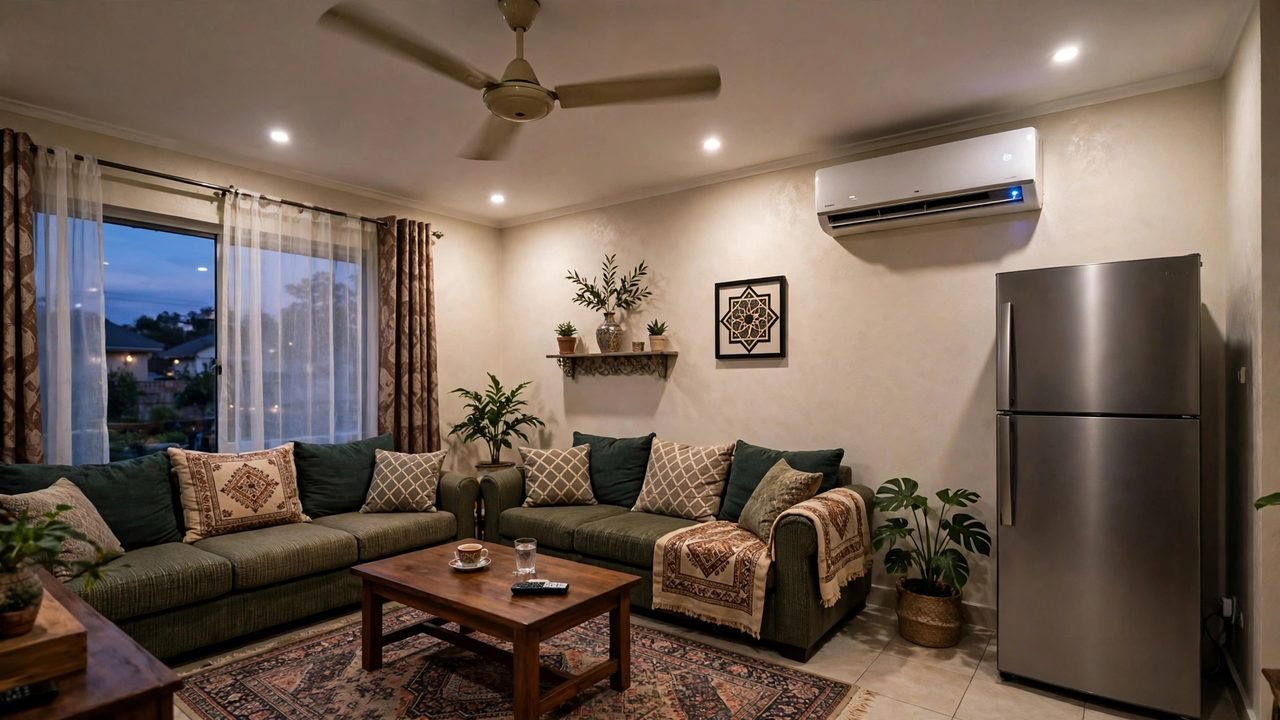
A 1kVA petrol inverter generator suits small flats and basic backup. It runs three to four ceiling fans, six to eight LED lights, a Wi-Fi router, a TV, and phone charging together. Inverter models give clean, stable power for laptops and electronics, run quietly, and are easy to carry and store. The limit is clear: this size cannot run an AC, and a fridge can overload it at compressor startup. Heavy appliances such as a microwave or iron are also out of reach. Prices are typically around Rs 65,000–95,000 (check the seller for the current price). Running cost stays low, but the small tank needs regular refilling. Store petrol safely, away from heat and children.
Pros:
- Quiet and fuel efficient for light loads
- Compact and easy to move and store
- Clean power suitable for TV, laptop, and router
Cons:
- Cannot run AC or heavy appliances
- Small fuel tank means frequent refilling
- Limited value if your home load grows
2. 2–3kVA Petrol Generator for Most Homes
The 2–3kVA petrol range is the most common home choice in Pakistan. It runs fans, lights, a fridge, TV, and a washing machine with sensible load management, meaning you avoid running every heavy appliance at once. A 3kVA model can handle a 1 ton inverter AC in many homes if other heavy loads stay off, but a 1.5 ton AC plus a full house load is usually too much. Conventional models cost less and handle motor loads well, while inverter models run quieter and save fuel at partial load. Prices are typically around Rs 110,000–180,000 (check the seller for the current price). Service and spare parts are widely available, a real advantage in peak summer. Petrol cost adds up during long daily cuts, so estimate your expected hours first.
Pros:
- Good balance of price, power, and size
- Covers fridge and daily essentials comfortably
- Wide choice and easy service in most cities
Cons:
- Still limited for 1.5 ton AC plus full home load
- Noisier than small inverter models
- Petrol cost adds up during long cuts
3. 5kVA Petrol Generator for AC Use
A 5kVA petrol generator suits homes that want one AC running during load shedding. It can usually run a 1.5 ton AC with fans, lights, and a fridge, or a 1 ton AC with a wider set of appliances, as long as wiring and load management are correct. Setup quality matters at this size: you need a proper changeover switch, correct cable size, and a qualified electrician. Weak wiring causes voltage drop and overheating. Prices are typically around Rs 220,000–320,000 (check the seller for the current price). Purchase cost stays lower than diesel of similar size, and petrol models start easily. Fuel use rises sharply at full load, so check the manual for consumption at your expected load and budget honestly. The machine is heavier and louder than a 2–3kVA unit, so plan a fixed outdoor spot.
Pros:
- Runs one AC with essential home load
- Lower purchase price than diesel of same size
- Starts easily and suits regular home use
Cons:
- High petrol running cost at full load
- Needs strong cables and proper changeover setup
- Heavier and louder than 2–3kVA models
4. Diesel Generator 5–10kVA for Larger Homes and Shops
Diesel generators in the 5–10kVA range suit larger homes, joint family houses, and small shops that run backup power for many hours. They handle sustained load, two ACs when sized correctly, deep freezers, and water pumps. Fuel economy at high load is usually better than petrol, and service life is long when oil, filters, and cooling are maintained. Prices are typically around Rs 350,000–650,000 (check the seller for the current price). The trade-offs are weight, noise, and vibration. A diesel unit needs a solid, level base and open ventilation away from living rooms. Repair costs rise when maintenance is ignored. Buy diesel for hours and load, not for occasional short cuts, where petrol is simpler and cheaper to own.
Pros:
- Built for long running hours and heavy load
- Better fuel economy than petrol at high load
- Long service life with regular maintenance
Cons:
- Highest purchase price in this guide
- Loud and heavy, needs dedicated outdoor space
- Repairs cost more if maintenance is ignored
5. Gas and Dual-Fuel Generators
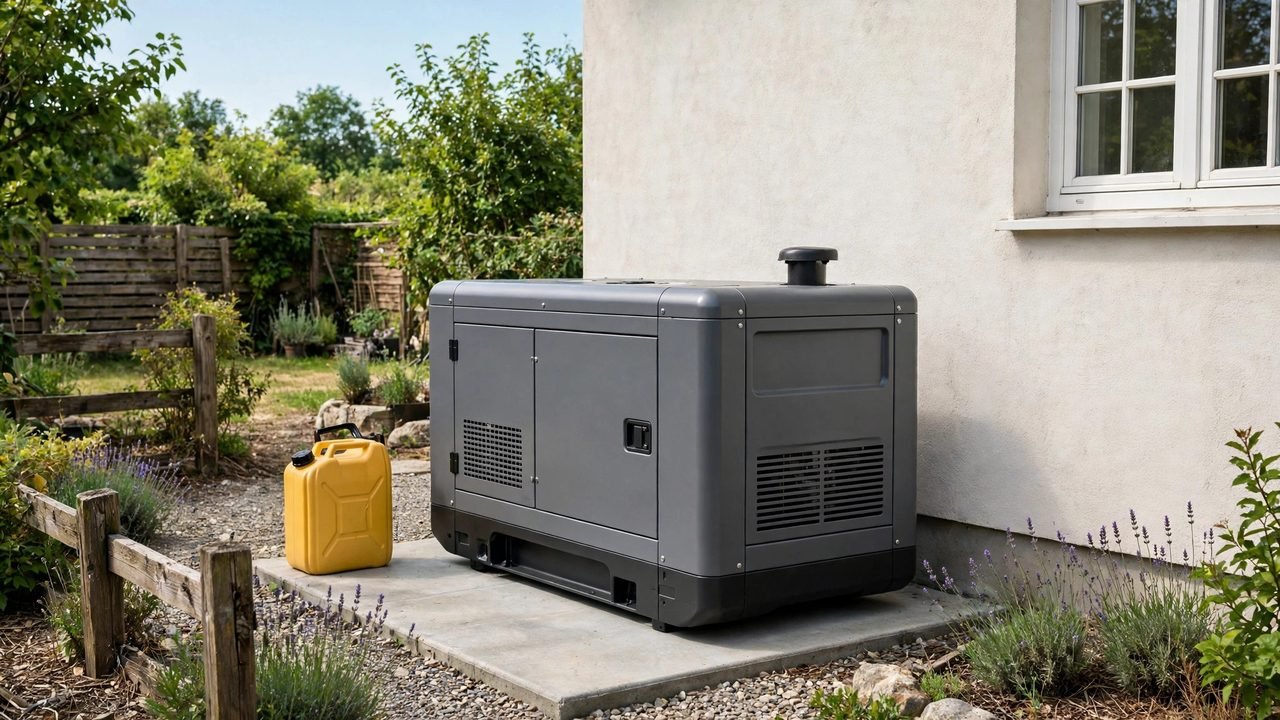
Gas generators run on piped natural gas or LPG through a conversion setup, while dual-fuel models switch between gas and petrol. Where gas pressure stays stable, running cost is usually lower than petrol. Dual-fuel models add safety: if gas pressure drops, you can run on petrol. Output on gas is often lower than the petrol rating, so size the unit with extra headroom and confirm gas-mode output with the seller in writing. Pricing follows capacity, so compare gas and dual-fuel models against the petrol ranges above and confirm the total installed cost, including conversion and fitting. Installation must be done by a trained technician with proper hose, regulator, and leak testing. Never use a makeshift gas connection. In areas with winter gas load shedding, gas-only units can disappoint.
Pros:
- Lower running cost where gas supply is stable
- Dual-fuel models keep petrol as backup
- Cleaner exhaust than petrol in normal use
Cons:
- Output drops if gas pressure is low
- Needs professional installation and leak checks
- Fewer service options in smaller cities
Generator Price in Pakistan: What to Budget
Overall, a home generator in Pakistan is typically around Rs 65,000–650,000 (check the seller for the current price), depending on capacity, fuel type, and brand support. Use this breakdown as a planning guide, then confirm the live quote, warranty, and delivery cost with your seller.
- 1kVA petrol inverter: typically around Rs 65,000–95,000 (check the seller for the current price)
- 2–3kVA petrol: typically around Rs 110,000–180,000 (check the seller for the current price)
- 5kVA petrol: typically around Rs 220,000–320,000 (check the seller for the current price)
- Diesel 5–10kVA: typically around Rs 350,000–650,000 (check the seller for the current price)
Budget beyond the machine for a changeover switch, cables, installation, and first service. Petrol is usually most expensive per hour at full load, diesel suits long heavy use, and gas is cheapest where supply stays stable. Compare cost per hour, not just purchase price.
Buying Tips: Load Calculation, Safety, and Warranty
Start with a load list. Write down every item you want to run during a cut and check the watt rating on each label. As rough planning figures, a ceiling fan uses about 70–80 watts, an LED bulb about 9–15 watts, and a fridge about 150–250 watts while running, with a higher startup surge. For AC tonnage, a 1 ton unit needs roughly 1,100–1,300 watts while running and a 1.5 ton unit roughly 1,600–1,900 watts, with inverter models easing off after the room cools. Add the running total, then add 20–30 percent headroom for startup surge. If the total sits close to the generator limit, move up one size.
Choose type and placement with care. Inverter generators are quieter, use less fuel at light load, and give clean power for electronics. Conventional generators cost less and handle motor loads well, but run louder. Place every generator outdoors on a level surface, away from windows and doors, with exhaust pointing away from living areas. Never run a generator indoors, in a closed garage, or in a sealed porch. Exhaust contains carbon monoxide, a gas you cannot see or smell, and it can kill quickly in enclosed spaces. Plan maintenance too: oil changes, air filter cleaning, and spark plug or fuel filter checks as per the manual, plus a 15–20 minute run once a month. Buy through official dealers or established sellers, including reputable listings on Daraz, and confirm written warranty, service centre location, spare parts, and a proper invoice. Use a qualified electrician for the changeover switch to prevent backfeed into the grid.
Frequently Asked Questions
What size generator do I need for a 1.5 ton AC in Pakistan?
Most homes need at least a 5kVA generator for a 1.5 ton AC plus fans, lights, and a fridge. A smaller unit may trip under load and risk damage. Add your full load with startup headroom and check the AC watt rating on its label before buying.
Which is cheaper to run, petrol, diesel or gas generator?
Gas is usually cheapest per hour where pressure stays stable, diesel is better value for long heavy use, and petrol is usually most expensive at full load. Actual cost depends on load, hours per day, and fuel prices, so compare cost per hour at your expected load.
Can I run a generator indoors or in a closed garage?
No. Never run a generator indoors, in a closed garage, or in a sealed space. Exhaust contains carbon monoxide, which can build up quickly and cause serious harm or death. Always place the generator outdoors with open ventilation, away from windows and sleeping areas.
How long can a home generator run continuously?
It depends on fuel tank size, load, and the limits in the manual. Small petrol units need refuelling breaks, and engines need oil checks during long runs. Switch off, let the machine cool, and refuel safely outdoors. Follow the manual duty limits.
Where should I buy a generator in Pakistan and what warranty should I expect?
Buy from official dealers or established sellers, including reputable Daraz listings, and ask for written warranty terms, service centre details, and an invoice. Coverage varies by brand and model, so read what is covered and who handles repairs in your city before paying.
Conclusion
The right generator matches your real load, fuel budget, and outdoor space, not simply the largest or cheapest option on display. Small flats do well with a 1kVA inverter, most homes settle on 2–3kVA petrol, AC users should plan around 5kVA, and long-hour loads suit diesel or a well-installed dual-fuel setup. Calculate your load, leave headroom, place the unit safely outdoors, and confirm warranty before you pay. For more home essentials, browse the latest trending products in Pakistan on Trendz.pk and compare options before your next purchase.